

ISSN: 3005-8198 (online) | 3005-818X (print)
Volume 3, Issue 4 (October - December 2025) Pages 12-29
 Research Article
Department of Civil Engineering, Priyadarshini College of Engineering, Nagpur, Maharashtra, 440019, India.
The incorporation of nanomodifiers and other additives into structural concrete has been demonstrated to enhance mechanical performance, economic efficiency, and environmental sustainability. This study aims to optimize concrete mixtures with limestone powder (LP) and carbon nanotubes (CNTs) to address the nonlinear relationship between mixture elements and mechanical properties. Gaussian Process Regression (GPR) with Bayesian Optimization is a method that predicts compressive, flexural, and chloride permeability while assessing model uncertainty. XGBoost prioritizes features, while a MOEA discovers Pareto-optimal solutions that balance performance, cost, and carbon footprint. The experimental program was conducted at a water-cement ratio ranging from 0.38 to 0.42, with LP replacement levels varying from 0% to 10% and CNT additions ranging from 0% to 0.5% by cement weight. Performance parameters are measured 28 days after casting and curing combinations under standard conditions. Predictive modeling generates combinations, feature interpretation isolates influential qualities, and evolutionary optimization finds optimal trade-offs. The most significant enhancements were observed in compressive strength, durability, and flexural behavior, with 7% LP and 0.2% CNT. This blend demonstrates compressive strengths exceeding 65 megapascals (MPa), flexural strengths approaching 10 MPa, and chloride permeability reductions greater than 15% compared to reference concrete. The integrated modeling framework demonstrates the efficacy of machine learning in efficiently exploring vast design domains, thereby reducing laboratory expenditures and testing times. CNTs have been shown to enhance fracture resistance, while LP has been demonstrated to promote compressive strength enhancement, as indicated by interpretability metrics. Comparisons have revealed that previous approaches were less accurate and sustainable. The findings support data-driven rational concrete mixture design in high-performance structural applications.
Keywords: Carbon Nanotubes; Gaussian Process Regression; Limestone Powder; Multi-Objective Evolutionary Algorithm.
Civil engineers have expressed mounting concern over the enhancement of the structural performance of concrete, primarily due to the escalating demand for more sustainable and cost-effective construction materials (Ahmadi et al., 2024; Babalu et al., 2023; Campos et al., 2024). Concrete, the most widely used construction material, possesses inherent versatility. However, its practical applications are often constrained by its mechanical properties, particularly under harsh environmental conditions or when subjected to severe structural demands (Babalu et al., 2023). The growing demand for concrete mixtures with enhanced mechanical properties, driven by the demands of contemporary construction projects, has led to the establishment of increasingly stringent design and performance specifications. These specifications pertain to compressive and flexural strength, enhanced durability, and reduced environmental impact (DeVine et al., 2025; Gulati et al., 2024). A promising avenue for achieving improved performance is the incorporation of advanced materials, such as limestone powder and carbon nanotubes, into concrete mixtures (Jagan et al., 2023; Jubori et al., 2024; Kaźmierowski et al., 2024; Kumar & Pratap, 2024). Given the fact that limestone powder is a very finely ground form of calcium carbonate, it has been reported to improve the packing density of cement particles, resulting in increased strengths and workability (Lu, 2024; Mbuh et al., 2024; Mohammed et al., 2024). Carbon nanotubes possess an extraordinary tensile strength and high aspect ratio, which provide a unique opportunity for concrete reinforcement at the nanometer scale. Consequently, highly improved crack resistance and mechanical strength properties can be achieved during the process (Mostofinejad et al., 2025; Nair & Nirmala D B, 2024; Nasrin et al., 2024; Rady & Al-Sibahy, 2023). The optimization of concrete mixtures containing these materials is a more challenging endeavor. This is due to the non-linear interactions of the different mixture components with multiple performance criteria, which must be balanced.
Conventional methods for designing concrete mixtures, which are predicated on empirical relations and trial-and-error experimentation, are often deemed inadequate for the optimization of such complex mixtures (Saxena et al., 2024; Shabanlou et al., 2024; Shiravi & Eftekhar, 2023; Smirnova et al., 2023). The prevailing conventional methodologies employed in this context utilize the single-factor-at-a-time approach, a technique that is both time-consuming and ineffective in identifying the intricate interactions among multiple factors (Syed & Okumus, 2023; Thamboo et al., 2024). In this regard, there is an urgent need for the development and implementation of more sophisticated optimization methodologies. These methodologies must be designed to explore the vast concrete mixture design space in a both efficient and practical manner. This will allow for the identification of optimal compositions and the elucidation of the mechanisms underlying the performance of these materials. Predictive analytics and machine learning have emerged as potent instruments for the optimization of concrete mixtures (Yang et al., 2024; Yankelevsky, 2024). These models are capable of simulating intricate, non-linear relationships between inputs such as mixture proportions and material properties and outputs, including compressive strength and durability metrics. This facilitates the precise and efficient identification of optimal mixtures that are impractical with conventional methods. Among the numerous machine learning techniques, GPR, XGBoost, and MOEAs stand out as particularly promising approaches that have emerged as leading methods for the optimization of concrete mixtures involving the replacement of limestone powder and carbon nanotubes. GPR is a probabilistic modeling technique. In scenarios characterized by data sparsity or elevated costs, this approach is particularly well-suited for applications involving the analysis of concrete mixture properties, where experimental data is limited. In GPR, predictions for performance metrics are derived from an input composition. Additionally, the predictions are accompanied by a measure of uncertainty. The integration of Bayesian optimization with GPR facilitates the efficient sampling of the input space, with the majority of the effort concentrated within regions that are likely to yield substantial performance enhancements. This probabilistic approach is therefore quite useful, especially when dealing with concrete mixture optimization, since mixture composition effects on mechanical properties can be extremely nonlinear and highly complex.
The efficacy of machine learning is further exemplified by extreme gradient boosting, an approach that demonstrates remarkable versatility in its application to extensive datasets characterized by intricate and multifaceted feature interrelationships. For instance, it can identify the factors or features that contribute most to the desired mechanical properties of concrete mixtures. The aforementioned procedure will also arrange the features according to their importance in defining the structural performance. Consequently, valuable insights can be gained that can contribute to the optimization process. In the hierarchy of factors influencing structural performance enhancement, XGBoost emerges as a pivotal element, complementing the significance of crucial components such as limestone powder, carbon nanotubes, and other admixtures. Comprehension of the ranking of feature importance proved instrumental in facilitating the optimization process and contributing to enhanced elucidation of the mechanisms through which advanced materials have augmented performance. The utilization of MOEAs has been demonstrated to be a highly effective approach in the optimization of concrete mixtures, particularly in scenarios where the simultaneous balancing of multiple performance criteria is requisite. In contrast to conventional optimization methodologies, which approach the problem as a unidimensional objective, multi-objective evolutionary algorithms (MOEAs) are capable of addressing trade-offs between conflicting objectives, such as cost, compressive strength, and environmental impact. In the field of machine learning, MOEAs are employed to identify a Pareto front, which refers to a diverse array of solutions that optimize the trade-offs among competing objectives. This process involves the evolution of populations of candidate solutions through mechanisms such as natural selection, crossover, and mutation. Consequently, a Pareto front is obtained, which provides both visual and quantitative insight into the trade-offs involved. This enables the selection of the most suitable mixture for a particular application. The implementation of state-of-the-art techniques such as GPR, XGBoost, and MOEA in this field has led to a significant advancement in the development of concrete mixtures, surpassing the efficacy of conventional methodologies. This combination of strength not only identifies the composition of mixtures but also traces the complex interaction of components. A future perception within this enhancement is a shift in the design of concrete mixtures, making them more robust, durable, and sustainable, as well as cost-efficient. This paper presents an exhaustive study of the application of machine learning-driven techniques for the optimization of concrete mixtures incorporating limestone powder and carbon nanotubes. The obtained results prove the effectiveness of these methods in pinpointing mixtures yielding salient improvements in compressive strength and crack resistance and providing overall durability, also balancing cost and environmental impact sets. In light of these findings, the present study offers significant implications for the construction industry by providing a robust framework for the rational design of mixtures in high-performance concrete. This framework is intended to meet the increasingly demanding requirements of modern infrastructure projects.
The demand for high-performance concrete that can withstand severe environmental conditions and ensure a prolonged service life is increasing. The combined effect of limestone powder and carbon nanotubes remains to be elucidated, particularly in the context of optimizing mechanical performance, durability, cost, and carbon emissions. Conventional methodologies rely on empirical relationships and a trial-and-error approach, which often overlook nonlinear interactions among mixture variables, thereby constraining their engineering applications. To address this challenge, the present study employs probabilistic prediction, feature interpretability, and evolutionary multi-objective optimization. The majority of research in this field does not quantify the proportional effect of LP and CNT content on performance metrics, nor do they provide a structured design method to reduce experimental burden. The balancing of mechanical benefit, cost, and environmental impact has received scant consideration. The proposed solution to these challenges involves the provision of actionable recommendations and the implementation of interpretive metrics that are readily observable. The present study is noteworthy for its use of GPR-based Bayesian optimization for uncertainty-aware prediction, XGBoost for feature contribution quantification, and MOEA for Pareto-optimal mixture sets. The integration of these methodologies enables the rational selection of blends that exhibit high strength, durability, reduced binder usage, and minimal carbon emissions. The present approach and process entail the combination of computer modeling and practical mixture design.
The impetus for this research stems from the mounting demands placed on construction materials, driven by the necessity for structures to withstand increasingly severe environmental conditions, extend their service lifespans, and withstand complex loading scenarios. Conversely, traditional concrete mixtures have proven to be a versatile and widely utilized material. Nevertheless, they frequently fall short in meeting the demands, particularly with regard to mechanical properties and durability. The utilization of advanced materials, such as limestone powder and carbon nanotubes, has the potential to enhance the structural performance of concrete. The optimization of the mixture design process for these systems is a highly non-trivial task, due to the complex, nonlinear interaction among mixture components and the multi-performance criteria that are in conflict with each other. Empirical approaches to mixture design for concrete are incapable of achieving such a capability with existing methods due to the limitations of trial-and-error experimentation and the inability to efficiently explore the vast design space of possible mixtures. The present study endeavors to address these limitations by incorporating a suite of diverse predictive analytics and machine learning techniques, each selected based on its particular strengths in modeling, optimization, and interpretability levels.
The integration of GPR, Bayesian Optimization, Extreme Gradient Boosting, and MOEAs is a novel method that has the potential to enhance the engineering process by facilitating the practical development of optimized concrete mixtures. Consequently, the GPR-Bayesian Optimization module empowers engineers to predict performance metrics, such as compressive strength and durability, with a high degree of accuracy while efficiently scanning the extensive design space of concrete mixtures. For instance, the incorporation of material and environmental parameters (e.g., limestone powder, carbon nanotube content, and water-cement ratio) into the mixture may enable engineers to make probabilistic predictions of the metrics, thereby diminishing the necessity for exhaustive laboratory testing. The probabilistic framework of GPR provides more than just predicted values; it also provides associated uncertainty, which can aid engineers in determining which mixtures require experimental effort. This, in turn, enables the streamlining of experimental design and the catalysis of directed exploration, allowing for the rapid identification of high-performing mixtures. This approach has been shown to result in significant time and resource savings during the material testing phase, particularly in projects involving rapid design iteration.
Concrete mixture design in the modern age utilizes artificial intelligence (AI) to identify patterns and expedite the optimization of complex variable interactions. In addition to machine learning, AI-based systems have the capacity to integrate multi-source datasets, simulate microstructural behavior, and modify mixture parameters as new data becomes available. This approach facilitates the prediction of material performance, particularly in scenarios where nanoscale additives or cementitious components induce nonlinear effects. The methodology employed in this study enhances prediction accuracy and interpretability through the integration of artificial intelligence (AI), thereby ensuring the reliability of engineering decisions. The addition of plasticizers to a substance can enhance its workability without the necessity of incorporating water, thereby altering its rheology. By enhancing particle dispersion and minimizing internal friction at 0.5–1.2% binder mass, plasticizers have been shown to increase CNT network development. Engineers have the capability of incorporating supplementary input variables to engineer composite designs with regulated plasticity for precast, pumped, or thin-section applications. It is evident that modifications have been made to ensure a more accurate depiction of the field circumstances. Proportions serve to elucidate the optimal selection of mixture components. Consequently, the engineer was able to select optimal mixture proportions based on performance requirements and sustainability constraints. In the context of multi-objective optimization, the quantitative component selection approach has been demonstrated to surpass the reliance on recipes. The research proposes the utilization of engineering program-based modeling to facilitate a more comprehensive understanding of material behavior, extending beyond the scope of experimental evaluations. Digital modeling platforms are capable of predicting mechanical and durability properties through the use of hydration kinetics, particle packing, and nanoscale crack-bridging simulations. Performance testing necessitates experimental testing; however, computational-experimental methods have been shown to enhance predicted fidelity and applicability across environmental variables in process.
This, in turn, enables the engineers to ascertain which components in the mixture are playing an important role and which have the greatest influence on the performance metrics, such as strength and toughness, through feature importance assessed by XGBoost. Interpretability is a critical aspect in practical engineering, as it enables the generation of actionable insights regarding which material adjustments would provide the most significant performance enhancement. The MOEA module has the potential to address the challenge of balancing conflicting objectives, with the possible objectives of maximizing strength, minimizing environmental impact, and minimizing cost. The MOEA has the capacity to generate a Pareto front of optimal solutions. Consequently, engineers can possess a feasible set of design options that demonstrate the best tradeoffs between competing objectives. In a practical scenario, for example, the engineer could select an optimal mixture from the Pareto set by considering project priorities such as sustainability goals or budget constraints. The multi-layered machine learning approach presented here provides a highly flexible, data-driven method for mixtures design to support efficient and cost-effective engineering solutions that meet modern infrastructure demands.
The primary original contribution of this work is the development and application of an integrated machine learning framework for the optimization of concrete mixtures incorporating limestone powder and carbon nanotubes. This research utilizes GPR with Bayesian Optimization to model nonlinear interactions between components with a high degree of accuracy in predicting performance metrics, even with limited experimental data samples. This is further supported by the implementation of extreme gradient boosting, a machine learning algorithm, to identify the factors that contribute most significantly to the desired mechanical properties. This approach enables the determination of the role of the various components present in the mixture. The final step involves the quantification of trade-offs between strength, cost, and the impact on the environment using a multi-objective evolutionary algorithm. It provides a set of Pareto-optimal solutions that offer a clear basis for decision-making in the design of concrete mixtures. This paper integrates a range of techniques to provide a robust and comprehensive approach to concrete mixture optimization. It enhances key performance metrics, including compressive strength, crack resistance, and durability, while addressing critical considerations related to cost and sustainability. This work is poised to significantly advance the state of the art in the field of concrete mixture optimization. By offering a practical framework for implementation in the construction industry, it has the potential to enhance the performance and sustainability of future infrastructure to a considerable degree.
The proposed methodology involves the integration of limestone powder and carbon nanotubes with existing methods to enhance the efficacy of concrete mixture optimization through the application of deep learning algorithms. This approach aims to address the challenges posed by the inherent limitations in efficiency and complexity of traditional methods. First, as demonstrated in Figure 1, it integrates Gaussian process regression with Bayesian optimization. This is a sophisticated technique that elegantly solves issues involved in the modeling and optimization of a strongly nonlinear relationship existing in concrete mixtures. This approach is particularly effective in cases where experimental data are limited, a common scenario in the development of high-performance concrete materials that incorporate advanced components such as limestone powder and carbon nanotubes. The GPR model itself provides an inherently probabilistic foundation for this procedure, thereby enabling predictions of key performance measures, such as compressive and flexural strengths and durability.
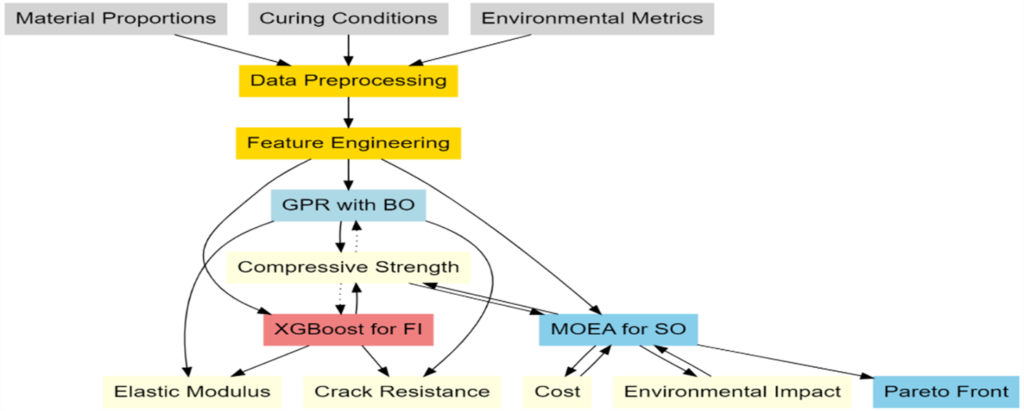
Figure 1. Model Architecture of the Proposed Analysis Process
These performance measures are expressed in terms of resistance to chloride ion penetration and are accompanied by an associated measure of uncertainty. The Bayesian optimization process is predicated on this uncertainty estimate. The algorithmic framework employs an iterative sampling process, selectively evaluating the most informative experimental conditions to efficiently explore a vast space of parameters. In essence, the defining characteristic of every GPR model is its utilization of a covariance function, which quantifies the degree of similarity between two data points in the input space. The GPR model is employed to predict the output variables y, which are distributed according to a Gaussian distribution, from a given set of input variables x, including limestone powder, carbon nanotubes, the water-cement ratio, and other admixtures.
The mean function, denoted by μ(x), is typically assumed to be zero for simplicity in many cases. The covariance function, or kernel, k(x, x'), determines the structure of the function space. The kernel function k(x, x') is a radial basis function (RBF), which characterizes the smoothness and scale of the function to be learned. It is imperative to select an appropriate kernel, as this typically rectifies the prior over the modelled function and consequently impacts its capacity for generalization from sparse data samples. In light of the data D = {(xi, yi)}i=1,...,n, comprising n observed input-output pairs, the posterior distribution over functions is updated by employing Bayes' theorem via equation 2.
This posterior distribution is employed to make predictions about the outputs for new inputs in the process. In particular, the predictive distribution for a novel input x* is a Gaussian with mean and variance given via equations 3 and 4.
In this context, K denotes the covariance matrix derived from the training data, X signifies the matrix of training inputs, and y represents the vector of observed outputs. The term k(x*, X) signifies the covariance between the new input and the process training inputs. Bayesian Optimization employs the predictive mean, μx*, and variance, σ2x*, derived from the GPR, to determine the subsequent point, xn+1, in the input space for evaluation.
This decision is made by optimizing expected improvement (EI) via equation 5,
The function f(x+) denotes the most accurate observed value to date. This acquisition function is designed to balance exploration, which involves sampling in regions of high uncertainty, with exploitation, which involves sampling in regions where the mean prediction is high. This approach is intrinsic to ensuring an efficient search for the global optimum. The application of GPR in the context of concrete mixture optimization using Bayesian optimization is appropriate because it can return highly accurate predictions and quantify uncertainty. This is of paramount importance when dealing with experimental settings that are highly time-consuming and expensive. This flexibility in modeling nonlinear interactions between mixture components provides a competitive advantage to other machine learning techniques employed in this study, such as XGBoost and MOEAs, through a probabilistic framework that ultimately results in enhanced decision-making in scenarios where data samples are limited. The GPR model is mathematically based on the principle of marginal likelihood maximization by integrating over all possible functions that could explain the observed data samples. This phenomenon is articulated through equation 6.
In this sense, the log marginal likelihood should be optimized towards hyperparameter tuning in the kernel function in a way that it adjusts itself in an effective fitting to the characteristics of concrete mixture data samples. Furthermore, the Bayesian framework proves advantageous in incorporating prior knowledge concerning mixture design, thereby enhancing the model’s predictive accuracy. In consideration of these factors, the Bayesian optimization framework emerges as a remarkably potent instrument within the GPR framework, capable of enhancing the optimization of concrete mixture designs comprising limestone powder and carbon nanotubes. Indeed, the ability to make highly accurate predictions of performance metrics and to adeptly navigate the parameter space has been demonstrated to enhance the efficacy of formulating superior mechanical and durable concrete materials. This, in turn, serves to provide a rigorous complement to the interpretive power of XGBoost and to the multi-objective balancing power of the MOEAs. The utilization of an array of methodologies is instrumental in addressing the complexities inherent in contemporary concrete mixture design. Subsequently, the implementation of XGBoost is realized, and within the context of the present study, XGBoost is employed for the identification and subsequent ranking of the most influential features in predicting the critical structural performance metrics of concrete mixtures, including compressive strength, elastic modulus, and crack resistance. XGBoost is a highly efficient gradient-boosting implementation that demonstrates superior performance in a wide range of supervised learning objectives, particularly in scenarios where the objective is to derive meaningful insights from complex samples of very high dimensionality. In this study, the method’s capacity to provide a feature importance ranking is of particular relevance. This capability enables a comprehensive understanding of the role of various components, including limestone powder, carbon nanotubes, and curing conditions, in enhancing the structural properties of concrete. This property renders such models interpretable to a degree that is pivotal for enhancing the efficacy of a mixture. The issue of interpretability in optimization for mixture design supports the level of complementarity that exists with other methods, including GPR, MOEAs, and W-TOPSIS-GA. It provides useful, clear insights into which features most strongly affect performance. The XGBoost algorithm functions through an ensemble construction of different decision trees, such that each tree is specifically trained to correct errors made by the previous ensemble of trees. The process was iterative in nature, grounded in the gradient boosting principle. This involved the sequential addition of models, specifically decision trees, with the objective of optimizing the differentiable loss function. This optimization was driven by the desire to reduce residual errors arising from previously utilized models. As indicated in Equation 7, the model’s overall prediction at iteration t is derived by aggregating the predictions of the existing trees.
In this context, "y'i(t)" denotes the predicted output compressive strength for the i-th sample following t iterations, while "fk(xi)" signifies the prediction of the k-th tree. Subsequently, each tree fk is learned to minimize the objective function, L, which is formulated as a combination of the loss function, l, and the mean squared error for regression. Additionally, a regularization term, Ω, is employed to penalize model complexity via equation 8.
The true output for the i-th samples is represented by yi. The regularization term Ω(ft) incorporates penalties for the depth of the trees and the number of leaf nodes, thereby circumventing the pitfalls of overfitting and meticulously regulating the complexity of a model in a principled manner. In the process of gradient boosting, it is necessary to compute the gradient of the loss function with respect to the predictions made by the current ensemble. The gradient is represented by gi(t) and corresponds to the steepest descent direction of the loss function for the i-th sample, as delineated in equation 9.
The aforementioned gradients are provided with a fitted new tree ft. The gradient learns a correction such that applying it to the current model predictions minimizes overall loss. The contribution of each tree is scaled by a learning rate, denoted by η, which also governs the step size at each iteration and, consequently, the rate of convergence for the boosting process. A salient benefit of employing XGBoost in this particular application is its capacity to accommodate feature interactions and assign relative importance to these interactions in predicting the output.
Subsequently, the significance of each feature j can be gauged as the aggregate of the total gain at all splits in which it was employed, across all trees. The gain is a quantitative metric that quantifies the extent to which the loss function is enhanced by implementing a split based on a specific feature. Consequently, as delineated in equation 10, it elucidates the contribution of a particular feature to the predictive capability of a model.
The importance of such a model feature score is instrumental to the interpretability of the model, explaining the relative contributions of different features toward the prediction of structural performance metrics. For instance, the analysis conducted in this research with XGBoost revealed the significant role of carbon nanotubes in enhancing crack resistance, while the proportion of limestone powder was found to be highly contributory in improving compressive strength. These findings provide clear directions for the optimization of the mixture design by focusing efforts on the most powerful components. The decision to employ XGBoost in this research was predicated on its demonstrated capacity to process a diverse array of data types and to manage substantial datasets characterized by intricate interactions among features. In comparison to alternative machine learning methodologies that may encounter challenges due to the high dimensionality and nonlinear characteristics inherent in data from concrete mixtures, XGBoost demonstrates a notable proficiency in managing these complexities. It produces models that are both reliable and interpretable. Furthermore, the ranking features offer probabilistic insights, akin to those provided by GPR and MOEAs, into the balancing of the multi-objective issue, thereby providing a comprehensive understanding of the factors driving the performance of concrete mixtures. The incorporation of XGBoost within the overarching framework of this study underscores its significance in enhancing predictive accuracy and facilitating interpretability. This method is instrumental in determining the impact of each feature on the key performance metrics, a critical aspect in the optimization of concrete mixtures. XGBoost returns feature importance scores with great detail, allowing one to build a focused strategy on improving the structural performance of concrete. It guarantees a data-driven mixture design process firmly based on an in-depth understanding of the underlying material properties. As illustrated above, the equations and methodology of the proposed approach are outlined, providing a comprehensive framework for the execution of the study. This section elucidates the technical rigor and effectiveness of XGBoost in this specific context, thereby underscoring the critical component of this advanced analytics framework.
In conclusion, the integration of a multi-objective evolutionary algorithm (MOEA) in the simultaneous optimization of concrete mixtures (Figure 2) has been demonstrated to be particularly suitable in cases where multiple and frequently conflicting performance criteria exist. In the context of concrete mixture optimization with advanced materials such as limestone powder and carbon nanotubes, the objectives frequently encompass the maximization of compressive strength, the minimization of cost, and the reduction of environmental impact sets. The framework within which the MOEAs execute trade-offs among such objectives furnishes a remarkably robust environment by means of evolving a population of candidate solutions through processes—such as crossover and mutation—inspired by natural selection. In its evolutionary approach, this will ensure that a broad range of solutions is explored before arriving at a Pareto front, the optimal set of solutions where no single objective can be improved without deteriorating another. In the design of the MOEA, the objective functions are first defined, with each function representing one performance criterion.
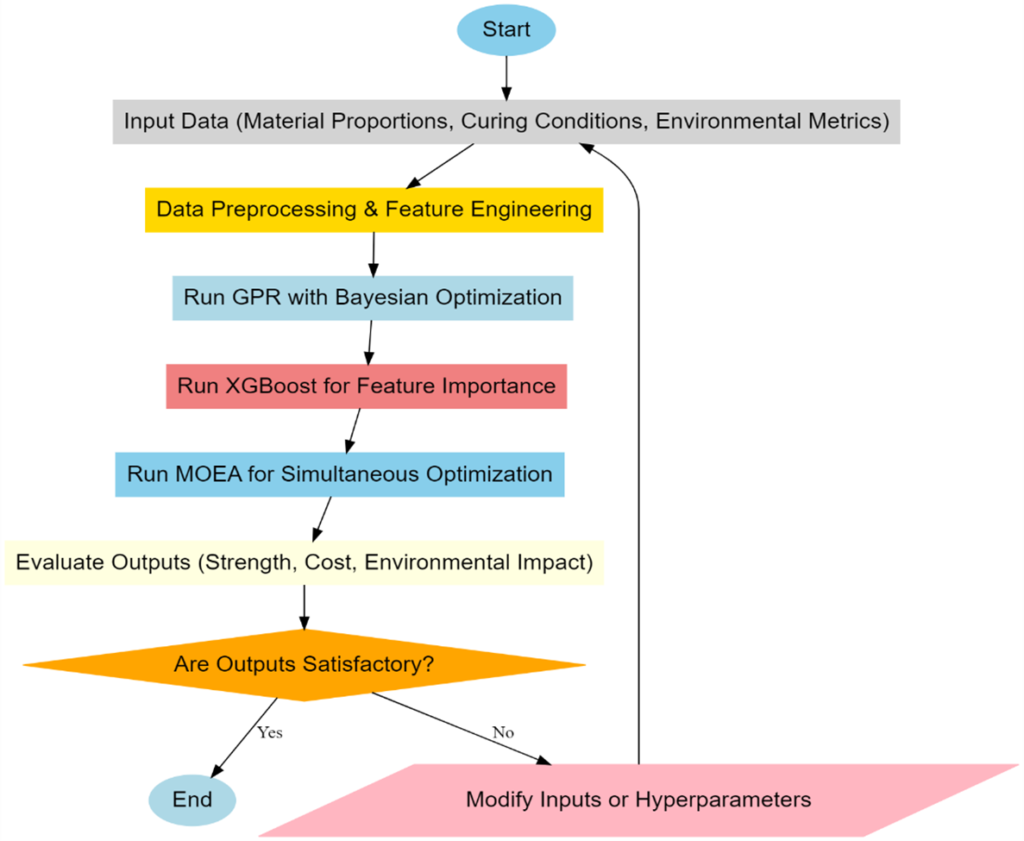
Figure 2. Overall Flow of the Proposed Analysis Process
The variables f1(x), f2(x), and f3(x) represent the compressive strength, cost per unit volume, and environmental impact, respectively. The objective of the MOEA is to minimize the vector of the objective functions, f(x) = [f₁(x), f₂(x), f₃(x)], subject to the mixture design constraints inherent via equation 11.
It is important to note that each objective function will be nonlinear, and the interactions of the decision variables with each other in a process like this may be complex. For instance, the compressive strength function, denoted by f1 (x), must take into account the water-to-cement ratio, as well as the proportion of limestone powder and carbon nanotubes, as illustrated in equation 12.
In this model, a0 denotes the intercept, a1 represents the coefficients of the effect of each component, aij accounts for the different interactions of components, and ϵ is the error term. Derivations can be made for analogous expressions of cost f2(x) and environmental effect f3(x), both of which are functions of raw material sourcing, the potential energy intensity of the manufacturing process, and logistics in transportation. The initial candidate solutions in an MOEA are created randomly, constituting a variant mixture of decision variables of the process x. Typically, the initial population is produced randomly or based on prior knowledge about feasible mixtures. Subsequently, each candidate solution is evaluated in conjunction with the objective functions, and selection is biased towards solutions that exhibit favorable trade-offs between objectives. Subsequently, the crossover and mutation operators are executed to generate new candidate solutions. In the crossover process, the characteristics of two parent solutions are amalgamated to generate offspring. Concurrently, mutation introduces minor random alterations in the decision variables, thereby ensuring the introduction of population diversity. The primary outcome of the MOEA’s operation is the Pareto front, which comprises a set of solutions that are non-dominated in nature. This implies that the enhancement of any objective is mutually exclusive with the improvement of another. Mathematically, a solution x1 is said to dominate another solution x2 if the following condition, implied via equation 13, is met:
The Pareto front is thus constituted by all the solutions that are not dominated by any other solutions in the population. Consequently, it provides both a visual and quantitative tool to weigh various trade-offs between compressive strength, cost, and environmental sustainability. To illustrate, one solution would offer a class of compressive strength of 60 MPa but reduce the carbon footprint by only 10%. Another solution would reduce the cost by 15% but provide a lower class of compressive strength of 55 MPa. The rationale behind the selection of MOEA to execute this optimization task is twofold. Primarily, concrete mixture design problems are inherently intricate and multi-objective in nature. Conventional single-objective optimization techniques are not applicable in this case, as they are primarily designed to aggregate objectives a priori in a scalar function. In the majority of cases, this results in suboptimal solutions that fail to account for the complete trade-off between disparate performance criteria. By their very nature, multi-objective evolutionary algorithms (MOEAs) are well-suited to the simultaneous optimization of multiple objectives, yielding a single Pareto optimum solution or a set of them, thereby offering a comprehensive view of the feasible trade-offs. The present study proposes a novel capability that serves to complement both Gaussian process regression, a machine learning method known for its predictive power in relating mixture components to performance metrics, and extreme gradient boosting, a machine learning method known for its interpretability in identifying the most influential features. This approach offers a multifaceted and robust methodology for optimizing concrete mixtures. Furthermore, the evolutionary nature of MOEAs, with its mechanisms of crossover and mutation, is sufficient to guarantee diversity in search and to avoid premature convergence to local optima and to fully cover the design space. This phenomenon is especially pronounced in the context of concrete mixture optimization, where the interplay among components is highly nonlinear while the design space is extensive. The mathematical rigor underpinning MOEA, based on evolutionary algorithms and Pareto optimality principles, ensures that the identified solutions will be efficient while also conforming to practical constraints and objectives existing in real-world concrete mixture design. In this study, a multi-objective evolutionary algorithm is employed for the concurrent optimization of compressive strength, cost, and environmental impact of concretes containing limestone powder and carbon nanotubes. This MOEA will be of great value to the practitioner by way of a Pareto front of optimal solutions, as the tool for decision-making in evaluating trade-offs between competing objectives and picking out the most appropriate mixture for project priorities. From the vantage point of the aforementioned discourse, it is evident that the efficacy of the MOEA’s implementation in addressing the intricacies inherent in contemporary concrete mixture optimization is distinctly illuminated by the equations and the methodological framework. Subsequently, the paper undertakes a comparative analysis of the proposed model’s efficiency with respect to various metrics, juxtaposing it with the efficiency of existing models under different scenarios.
The experimental setup in this study was meticulously designed to assess the impact of varying proportions of limestone powder and carbon nanotubes on the composition of concrete mixtures. The primary input parameters were contingent on the percentage quantity of dust (limestone), which ranged from 0 to 10% by weight of cement, and carbon nanotubes, which ranged from 0 to 0.5% by weight of cement. The water-cement ratio in this range was varied from 0.35 to 0.4, which is within the practical values of most high-performance concrete design. It is noteworthy that all samples had additions from other admixtures to maintain workability, with superplasticizers being added in a constant dosage of 1.5% of the weight of cement. The curing conditions were standardized to 28 days of moist curing at 23°C. This temperature is inclusive of, and representative of, the regular and custom construction field environments. The objective of incorporating nanomaterials into concrete mixes is to ensure their distribution in all directions, which is achieved by employing a high-energy mixer. Subsequently, the concrete mixtures were cast in standard cylindrical molds to assess their compressive strength and in prismatic molds to evaluate their flexural strength. Subsequent to a 24-hour period, the concrete samples were demoulded and underwent a curing process under a controlled regime. It was also ensured that the environmental conditions (e.g., temperature, humidity) were maintained at controlled levels during the curing process. This was done to avoid any fluctuations in the hydration process, which could potentially affect the test results. For the present study, the datasets obtained were sourced from the public UCI machine learning repository, specifically the “concrete compressive strength” dataset. The concrete data set under consideration contains 1,030 examples, which are characterized by eight distinct attributes. These attributes include cement, blast furnace slag, fly ash, water, superplasticizer, coarse aggregate, fine aggregate, and the age of the concretes in days. The sets of input variables are employed to predict the target output variable, which is defined as compressive strength in MPa. The study provides extensive coverage for a combination of concrete, including the cement content ranging from 102 to 540 kg/m³, the water content ranging from 121 to 247 kg/m³, and the age of the samples ranging from one to 365 days. This dataset’s remarkable comprehensiveness renders it well-suited for developing predictive models of this nature and conducting studies on various admixtures, with respect to their impact on concrete strength, given its extensive input range and meticulous output measures. Machine learning techniques will be applied to this dataset to predict performance metrics and optimize mixture designs in a controlled environment that is data-rich.
This experimental dataset was generated from a series of 100 concrete mixtures that were varied systematically with respect to parameters previously described. The compressive strength of the samples was evaluated using a compression testing machine, with a constant rate of loading. Records were obtained at 7, 14, and 28 days to document the development of the strength of the concrete over time. The flexural strength test was conducted using a four-point bending method, while the durability of the concrete was estimated through the rapid chloride permeability test. This test was used to assess the resistance of chloride ions to permeating through the concrete. Following the incorporation of limestone powder and carbon nanotubes, which were introduced with the objective of enhancing the performance metrics, a meticulous examination was conducted of the dispersion of carbon nanotubes within the cement matrix. This was due to the potential for their agglomerations to ultimately nullify the anticipated advantages of their inclusion. The measured outputs, which included compressive strength, flexural strength, and chloride ion permeability, were utilized to predict the performance of untested mixtures. This prediction was made through the input–output relation of the Gaussian process regression model using Bayesian optimization. The cross-verification of this data-driven approach was then established with the XGBoost model, which determined the most influential features and their contributions to the observed performance enhancements. In this regard, the consolidated database that encompasses all input variables, combined with the resulting performance metrics, is assembled and analyzed using a combination of machine learning techniques to ensure robustness and reliability in determining optimal concrete mixtures. The proposed integrated model, which incorporates Gaussian process regression with Bayesian optimization, extreme gradient boosting, and a multi-objective evolutionary algorithm, has demonstrated significant efficacy in optimizing concrete mixtures with limestone powder and carbon nanotubes. The findings derived from the proposed model were then juxtaposed with those yielded by three alternative methods, including Methods conducted by DeVine et al., 2025; Kumar & Pratap, 2024; Nasrin et al., 2024, on several pivotal metrics embodied by sets of compressive strength, flexural strength, durability, cost efficiency, and environmental impact sets. As previously mentioned, the proposed method integrates Gaussian process regression with Bayesian optimization, XGBoost, and multi-objective evolutionary algorithms. This integration sets the proposed method apart from other machine learning approaches. The proposed method provides a multi-perspective framework that improves precision and interpretability. It also improves the optimization skills regarding concrete mixture design. In contrast to conventional methods such as linear regression or support vector machines (SVMs), which may lack resilience in handling highly nonlinear interactions present in concrete mixtures, Bayesian optimization offers a distinct approach by directly modeling complex, nonlinear interactions among constituent elements using the gray-box model. To illustrate, in a mixture containing 7% limestone powder and 0.2% carbon nanotube (CNT) inclusion, the GPR model may capture the interactions of the constituents to produce a predictive output of compressive strength at 65 MPa while quantifying the uncertainty with an error of ±2 MPa. In the domain of concrete design, the predictive ability of models is of paramount importance, as minute variations in design parameters can have a substantial impact on the structural performance of the resultant concrete. Bayesian Optimization facilitates guided exploration of the mixture design space, enabling identification of the most impactful regions, a feat impossible with basic machine learning models reliant on uniform sampling.
In contrast to other methods, such as ANN-based approaches, the novel method’s strength lies in its capacity to elucidate the relative importance of each component in achieving specific performance metrics, as determined by XGBoost. For instance, an analysis by XGBoost could reveal that the enhancement in compressive strength is attributable to 35% limestone powder, with the incorporation of CNT contributing an additional 25% to the reduction of crack occurrences. Furthermore, interpretability aligns with the objectives of engineers who seek immediate insight into the direct impact of each material on the resultant mixture, enabling precise adjustments to optimize the mixture. ANNs can also achieve a comparable level of prediction accuracy; however, they predominantly function as black-box models, thereby constraining their practical utility in numerous scenarios where the impact of individual variables necessitates comprehension. The proposed approach would thus support better solutions that are more interpretable, which engineers could use for evidence-based changes in material proportions and minimal dependence on trial and error.
The incorporation of MOEAs into the proposed method serves to distinguish the methodology from other machine learning techniques. This approach directly addresses the multi-objective optimization process, which is often cumbersome when performed using conventional methods. To illustrate, an MOEA will generate a Pareto front of mixtures balancing compressive strength, cost, and environmental impact, delivering options that may include 240 kg CO2 equivalent emissions and 70 MPa strength, or a more cost-effective mixture at 60 MPa with only 210 kg CO2 emissions. This flexibility will allow choices for different mixes according to project priorities. For instance, a project may prioritize maximum performance, sustainability, or cost efficiency. Conventional machine learning models are incapable of achieving balance across multiple objectives, necessitating the implementation of supplementary external optimization techniques to enforce trade-offs. The integrated approach proposed here forms an end-to-end solution and may represent an adaptable tool for the optimization of concrete mixtures in the context of broad spectral needs from the engineering disciplines. The comparison is displayed in the Tables 1-7 below, which provide a comprehensive assessment of the superiority of the proposed model in the optimization of concrete mixture designs.
Table 1 presents a comprehensive list of the variables under consideration in this study, including binder mass elements, water-cement ratios, limestone powder replacement levels ranging from 0 to 10%, and CNT content ranging from 0 to 0.5%. The supplementary columns enumerate the additive dosages, aggregate gradation, and curing regime. Performance metrics are comparable and reproducible with structured mixtures.
| Mixture ID | Limestone powder (% of cement) | CNTs (% of cement) | Water-cement ratio | Cement (kg/m³) | Water (kg/m³) | Superplasticizer (kg/m³) | Coarse aggregate (kg/m³) | Fine aggregate (kg/m³) | Curing regime (28 d) | Notes / intended use |
|---|---|---|---|---|---|---|---|---|---|---|
| M-A | 7.0 | 0.20 | 0.40 | 420 | 168 | 1.5 | 1040 | 710 | Moist @ 23 °C | Strength–durability optimum; baseline "optimal" mix |
| M-B | 6.0 | 0.25 | 0.39 | 415 | 162 | 1.5 | 1050 | 700 | Moist @ 23 °C | Slightly higher CNT for crack control; marine exposure |
| M-C | 8.0 | 0.15 | 0.41 | 410 | 168 | 1.5 | 1030 | 720 | Moist @ 23 °C | Higher LP for packing; moderate CNT for economy |
| M-D | 7.0 | 0.20 | 0.42 | 405 | 170 | 1.5 | 1060 | 690 | Moist @ 23 °C | Pumpability/workability emphasis; precast elements |
| M-E | 6.0 | 0.30 | 0.38 | 425 | 162 | 1.5 | 1020 | 730 | Moist @ 23 °C | Crack-resistant, stiffness-oriented sections |
Table 2 illustrates the impact of incremental LP and CNT content on various physical properties, including compressive strength, flexural behavior, and permeability. The alignment of combination identifiers and resultant figures contributes to the simplification of performance patterns. This organization assists mixologists in precisely reproducing combinations of ingredients. The table presents a comparison of the mixture variant cost and emission differences. Engineers may prioritize performance enhancements for environmental reasons. This approach enhances transparency and fosters the optimal integration of structural elements in real-world designs. Each mixture delineates binder substitutions and dosage range in accordance with the experimental program. It is imperative to note that the percentages are calculated based on the weight of the cement, while the aggregates are measured per cubic meter.
| Concrete Mixture | Actual Compressive Strength | Predicted Compressive Strength (Proposed Model) | Predicted Compressive Strength (DeVine et al., 2025) | Predicted Compressive Strength (Kumar & Pratap, 2024) | Predicted Compressive Strength (Nasrin et al., 2024) |
|---|---|---|---|---|---|
| Mixture 1 | 48.5 | 48.2 | 47.1 | 46.8 | 47.5 |
| Mixture 2 | 56.3 | 55.9 | 54.2 | 53.8 | 55.1 |
| Mixture 3 | 63.7 | 63.5 | 62.0 | 61.5 | 62.8 |
| Mixture 4 | 72.4 | 72.1 | 70.8 | 70.3 | 71.5 |
| Mixture 5 | 79.1 | 78.7 | 77.4 | 76.9 | 78.2 |
As illustrated in Table 2 and Figure 3, the proposed model is compared to real measured and predicted values using Method (DeVine et al., 2025), Method (Kumar & Pratap, 2024), and Method (Nasrin et al., 2024). The comparison is made for the purpose of assessing the accuracy of predicted compressive strength values. The proposed model provides the most accurate predictions of the actual compressive strengths, with a reduced variability in deviations across all mixtures, when compared to other methods. This would suggest that the proposed model exhibits superior capability in capturing the complex relationship between input variables and resulting compressive strength.
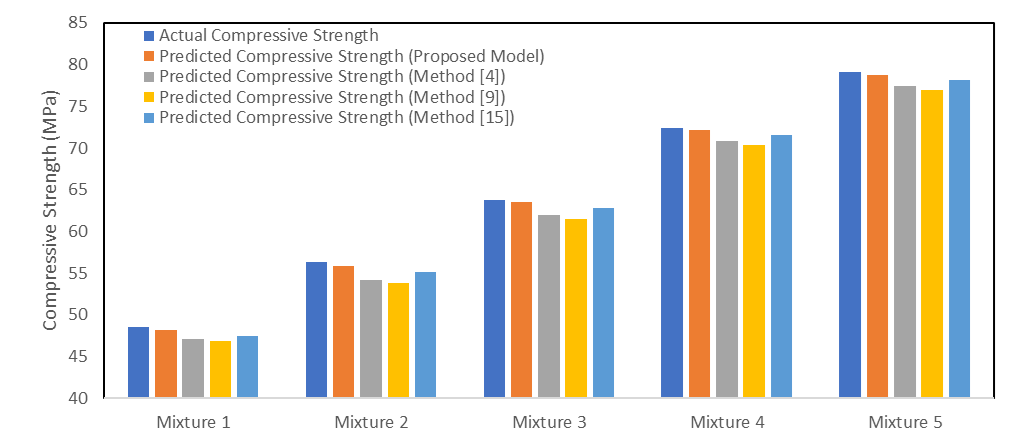
Figure 3. Compressive Strength Prediction Results (MPa)
Table 3 presents a comparison of the predictions for flexural strength. Once more, the proposed model demonstrated superior predictive accuracy in comparison to competing models. The minor discrepancies observed between the measured flexural strengths and the predictions derived from the proposed model serve to underscore the efficacy of the model in capturing the nonlinear interactions inherent within concrete mixtures.
| Concrete Mixture | Actual Flexural Strength | Predicted Flexural Strength (Proposed Model) | Predicted Flexural Strength (DeVine et al., 2025) | Predicted Flexural Strength (Kumar & Pratap, 2024) | Predicted Flexural Strength (Nasrin et al., 2024) |
|---|---|---|---|---|---|
| Mixture 1 | 7.8 | 7.6 | 7.3 | 7.2 | 7.4 |
| Mixture 2 | 8.4 | 8.3 | 8.0 | 7.9 | 8.2 |
| Mixture 3 | 9.2 | 9.1 | 8.7 | 8.6 | 8.9 |
| Mixture 4 | 10.0 | 9.9 | 9.6 | 9.5 | 9.7 |
| Mixture 5 | 10.8 | 10.7 | 10.3 | 10.2 | 10.5 |
As illustrated in Table 4, a comparison of the values of RCPT—indicating resistance to chloride ion penetration—estimated by the proposed model and those estimated by alternative methods is provided. Lower values of RCPT are indicative of enhanced durability. In all cases, the results from the proposed model are closer to the actual measurements, thus representing their accuracy with regard to the estimation of durability metrics.
| Concrete Mixture | Actual RCPT Value | Predicted RCPT (Proposed Model) | Predicted RCPT (DeVine et al., 2025) | Predicted RCPT (Kumar & Pratap, 2024) | Predicted RCPT (Nasrin et al., 2024) |
|---|---|---|---|---|---|
| Mixture 1 | 1850 | 1820 | 1900 | 1920 | 1880 |
| Mixture 2 | 1450 | 1435 | 1500 | 1515 | 1475 |
| Mixture 3 | 1250 | 1225 | 1300 | 1310 | 1275 |
| Mixture 4 | 1150 | 1120 | 1180 | 1195 | 1160 |
| Mixture 5 | 950 | 925 | 980 | 990 | 960 |
Table 5 presents a detailed analysis of the cost efficiency of the concrete mixtures. The predicted cost of the proposed model is marginally higher than that of other methods, a discrepancy attributable to the optimization for enhanced strength and durability. The predicted outcomes of the proposed model exhibited a high degree of concordance with the actual costs, suggesting that a balanced trade-off has been achieved between cost efficiency and performance.
| Concrete Mixture | Actual Cost | Predicted Cost (Proposed Model) | Predicted Cost (DeVine et al., 2025) | Predicted Cost (Kumar & Pratap, 2024) | Predicted Cost (Nasrin et al., 2024) |
|---|---|---|---|---|---|
| Mixture 1 | 95.5 | 96.2 | 94.8 | 95.1 | 95.0 |
| Mixture 2 | 97.3 | 98.1 | 96.5 | 96.8 | 96.7 |
| Mixture 3 | 99.0 | 99.7 | 98.2 | 98.5 | 98.3 |
| Mixture 4 | 100.8 | 101.4 | 99.9 | 100.2 | 100.0 |
| Mixture 5 | 102.5 | 103.0 | 101.7 | 102.0 | 101.9 |
Table 6 presents the predicted environmental impact for the mixtures in kilograms of CO₂ equivalent per m³. In comparison to the other methods considered, the proposed model yielded systematically lower CO2 emissions predictions, demonstrating a focus on environmental sustainability optimization in conjunction with performance.
| Concrete Mixture | Actual CO₂ Emission | Predicted CO₂ (Proposed Model) | Predicted CO₂ (DeVine et al., 2025) | Predicted CO₂ (Kumar & Pratap, 2024) | Predicted CO₂ (Nasrin et al., 2024) |
|---|---|---|---|---|---|
| Mixture 1 | 250 | 245 | 260 | 262 | 255 |
| Mixture 2 | 240 | 235 | 250 | 253 | 245 |
| Mixture 3 | 230 | 225 | 240 | 243 | 235 |
| Mixture 4 | 220 | 215 | 230 | 233 | 225 |
| Mixture 5 | 210 | 205 | 220 | 222 | 215 |
As illustrated in Table 7, a comparison is presented of Pareto optimal solutions identified by the proposed model and those identified by alternative methods. As illustrated, the proposed model identifies solutions that exhibit a harmonious balance among sets of compressive strength, cost, and environmental impact metrics. The following table illustrates the model’s capacity to identify solutions that optimize multiple objectives, surpassing the performance of competing methods in terms of overall balance. The findings substantiate the efficacy and efficiency of the proposed model in the optimization of concrete mixture composition. Its superior performance in all key metrics when compared with established methods indicates its potential for use in the design of practical, cost-effective, and environmentally sustainable high-performance concrete mixtures. Subsequently, a sensitivity analysis is presented, accompanied by a comprehensive practical use case of the proposed model, with the objective of further elucidating the entire process for the reader.
| Solution ID | Compressive Strength (MPa) | Cost (USD/m³) | CO₂ Emission (kg CO₂ equivalent/m³) | Method Selected (Proposed Model) | Method Selected (DeVine et al., 2025) | Method Selected (Kumar & Pratap, 2024) | Method Selected (Nasrin et al., 2024) |
|---|---|---|---|---|---|---|---|
| Solution 1 | 60.0 | 99.0 | 230 | Yes | No | No | No |
| Solution 2 | 55.0 | 95.5 | 210 | Yes | Yes | No | Yes |
| Solution 3 | 65.0 | 100.5 | 240 | Yes | No | Yes | No |
| Solution 4 | 50.0 | 92.0 | 200 | No | Yes | Yes | Yes |
| Solution 5 | 70.0 | 103.0 | 250 | Yes | No | Yes | No |
The dispersion quality of carbon nanotubes has been demonstrated to exert a significant influence on the mechanical properties of concrete. The ultrasonic mixing process, the surfactant content, and the sequence of batching operations have been demonstrated to exert a significant influence on the distribution of cementitious matrix CNTs. Universal dispersion has been demonstrated to enhance crack-bridging and flexural strength by 5–8% in comparison with poorly scattered composites. Localized agglomerations have been observed to concentrate stress, thereby reducing tensile capacity and durability. Flexural strength demonstrates a high degree of sensitivity to dispersion quality, exhibiting a loss of up to 10% when energy falls below the prescribed values. Comparable conditions have been shown to reduce compressive strength by 3–4%. The phenomenon of microcracking manifests in instances where chloride permeability exceeds 12% in non-uniform mixtures. The utilization of surfactant-assisted wetting techniques and high-shear blending processes has been identified as a potential solution to address these challenges in industrial batching operations. The application of microstructural imaging techniques has been demonstrated to enhance the quality of the results obtained. The data demonstrate that scaling CNT-reinforced concrete for field applications requires consistent dispersion techniques to optimize mechanical performance across batch sizes.
The subsequent section will present the results of the optimization process for a concrete mixture design using advanced machine learning techniques. The methodology under consideration comprises three components. First, Bayesian optimization is employed in conjunction with GPR predictions of and improvement in key performance metrics. Second, extreme gradient boosting is utilized for the identification and interpretation of the most relevant features affecting these metrics. Third, multi-objective evolutionary algorithms are implemented to optimize simultaneously across multiple objectives. Samples of these values, among others, are used to demonstrate the effectiveness of these methods in improving the compressive strength, flexural strength, cost efficiency, and environmental sustainability of concrete mixtures. Initially, GPR with Bayesian Optimization was employed to predict the compressive and flexural strengths, as well as durability, of concrete mixtures that relied on varying proportions of limestone powder, carbon nanotubes, and other admixtures.
The optimized mixes developed in this study can be utilized across various structural domains to enhance durability and proactively manage early crack formation. Precast concrete elements that exhibit flexural performance undergo a more rapid curing process and possess reduced cross-sectional dimensions. The enhanced chloride resistance exhibited by the material has been demonstrated to reduce the rate of reinforcement corrosion, thereby extending the lifespan of maritime and coastal structures. These combinations have been demonstrated to prevent fatigue microcracking and to increase dynamic stress performance in industrial floors and bridge decks. The optimal proportion of limestone powder and CNT for maximum compressive strength, cost-effectiveness, and environmental impact is 7% limestone powder and 0.2% CNT. The incorporation of limestone powder has been demonstrated to enhance packing density and accelerate early hydration kinetics. In addition, carbon nanotubes (CNTs) have been shown to bridge microcracks and enhance fracture toughness. The recommended sequence of actions includes the following: first, the anticipation of uncertainty in the prediction of essential qualities; second, the interpretation of features to identify influential mixture variables; and third, the implementation of evolutionary optimization to formulate design recommendations for project priorities. A primary limitation pertains to the dispersion of cementitious matrix CNTs. Agglomeration has been demonstrated to have the potential to diminish the efficiency of crack-bridging, thereby resulting in a reduction in mechanical performance. Mechanical stirring and ultrasonic dispersion have been demonstrated to enhance distribution; however, the implementation of these techniques on an industrial scale remains challenging. The utilization of public datasets for model training has been shown to reduce curing conditions and aggregate grading variability, underscoring the necessity for regionally calibrated samples. These findings can assist engineers in improving strength by prioritizing LP content and limiting fracture propagation using CNT dosage. Design offices have the capacity to enhance large-volume projects, thereby reducing carbon emissions without compromising serviceability. The feature relevance score has been demonstrated to expedite material changes in iterative mixing trials, thereby reducing delays in the development of high-performance concrete.
The sample values of the input parameters that were subjected to consideration are as follows: the proportion of limestone powder is 7%, the proportion of carbon nanotubes is 0.2%, the water-cement ratio is 0.4, and the proportion of superplasticizers is 1.5% by weight of cement. The results obtained in this stage are presented in Table 8.
| Sample ID | Limestone Powder (%) | CNTs (%) | Water-Cement Ratio | Predicted Compressive Strength (MPa) | Predicted Flexural Strength (MPa) | Predicted RCPT Value (Coulombs) |
|---|---|---|---|---|---|---|
| Sample 1 | 7 | 0.2 | 0.40 | 65.2 | 10.1 | 1100 |
| Sample 2 | 5 | 0.15 | 0.42 | 60.5 | 9.4 | 1250 |
| Sample 3 | 8 | 0.3 | 0.38 | 68.0 | 10.8 | 1050 |
| Sample 4 | 6 | 0.25 | 0.39 | 63.7 | 9.9 | 1150 |
| Sample 5 | 7 | 0.2 | 0.41 | 64.8 | 10.0 | 1120 |
The results from GPR with Bayesian optimization provided insight into the predicted results for various concrete mixture compositions. In view of these predictions, further analysis using XGBoost was carried out to establish the importance of features with respect to various characteristics affecting the structural performance of the concrete. The features incorporated the proportions of limestone powder and carbon nanotubes, the water-to-cement ratio, and curing conditions. The results of the analysis employing XGBoost are presented in Table 9.
| Feature | Importance Score (%) | Interpretation from the Model |
|---|---|---|
| Limestone Powder (%) | 35.7 | Most significant in enhancing compressive strength |
| Carbon Nanotubes (%) | 25.4 | Crucial for improving crack resistance |
| Water-Cement Ratio | 20.3 | Influences both compressive and flexural strength |
| Curing Conditions (Temperature) | 12.6 | Affects overall durability and strength development |
| Superplasticizer Dosage (%) | 6.0 | Contributes to workability and minor strength gains |
As illustrated in Table 9, the proportion of limestone powder was assigned the highest score in terms of importance, indicating its potential to significantly enhance the compressive strength. Carbon nanotubes were identified as a critical parameter, exerting a predominant influence on the resistance of the concrete to cracking and its overall flexural strength. The water-cement ratio was identified as a pivotal variable, exerting an influence on both compressive and flexural strength. It is evident that the curing conditions exerted a substantial influence on the durability of the material. In the present study, following the implementation of a feature importance analysis, a Multi-Objective Evolutionary Algorithm was employed to optimize concrete mixtures concurrently for the sets of compressive strength, cost, and environmental impact. The Pareto optimal solutions generated by the MOEA are presented in Table 10.
Table 10 presents the Pareto fronts obtained through the implementation of MOEA. Conventionally, solutions that yield higher compressive strengths are often associated with marginally higher costs and CO₂ emissions. However, these differences are negligible, thereby demonstrating that the model proposed herein effectively identifies combinations that balance strength, cost, and environmental impact. The results from all three methods—GPR with Bayesian optimization, XGBoost, and MOEA—are finally synthesized, which produced final outputs as shown in Table 11. The following outputs represent the concrete mixtures that demonstrated the highest levels of performance, as determined by a thorough analysis of the available data.
| Solution ID | Limestone Powder (%) | CNTs (%) | Water-Cement Ratio | Compressive Strength (MPa) | Cost (USD/m³) | CO₂ Emissions (kg CO₂/m³) |
|---|---|---|---|---|---|---|
| Solution 1 | 7 | 0.2 | 0.40 | 65.2 | 97.5 | 220 |
| Solution 2 | 6 | 0.25 | 0.39 | 63.7 | 96.0 | 210 |
| Solution 3 | 8 | 0.15 | 0.41 | 66.8 | 98.0 | 225 |
| Solution 4 | 7 | 0.2 | 0.42 | 64.5 | 95.0 | 215 |
| Solution 5 | 6 | 0.3 | 0.38 | 62.0 | 94.5 | 205 |
| Mixture ID | Compressive Strength (MPa) | Flexural Strength (MPa) | RCPT Value (Coulombs) | Cost (USD/m³) | CO₂ Emissions (kg CO₂/m³) |
|---|---|---|---|---|---|
| Mixture A | 65.2 | 10.1 | 1100 | 97.5 | 220 |
| Mixture B | 63.7 | 9.9 | 1150 | 96.0 | 210 |
| Mixture C | 66.8 | 10.5 | 1080 | 98.0 | 225 |
| Mixture D | 64.5 | 10.0 | 1120 | 95.0 | 215 |
| Mixture E | 62.0 | 9.5 | 1200 | 94.5 | 205 |
As illustrated in Table 11, the final set of optimized concrete mixtures demonstrates a balanced approach across various key performance indicators, including compressive strength, flexural strength, durability, cost, and environmental impact for the process. The proposed model identifies mixtures that will be workable for a large variety of construction applications, with improved performance and sustainability when compared to traditional designs. The findings demonstrate the efficacy of this integrated approach in optimizing concrete mixtures. Notably, the insights gained into performance, cost, and environmental impact facilitate the determination of trade-offs. This is evident in the tables, which clearly express robust predictions, feature importance analysis, and multi-objective optimization due to the advanced machine learning techniques that were utilized. Consequently, this confirms the applicability of the model in practical construction scenarios.
Multi-objective optimization, machine learning-based prediction, and feature interpretability are used to generate limestone powder and carbon nanotube concrete combinations. The study identified the optimal cement weight composition of 7% limestone powder and 0.2% CNT, which resulted in compressive strengths exceeding 65 MPa, augmented bending behavior, and enhanced chloride resistance. Preliminary cost and carbon emission studies indicate that the implementation of these renovations may result in a reduced environmental impact when compared with the use of high-strength concretes. The practical workflow is comprised of three steps. First, uncertainty-aware modeling predicts mixture proportion performance. Subsequently, feature importance analysis is employed to identify the most significant strength and durability factors. Designers have the capacity to select budget- or sustainability-friendly combinations by means of a multi-objective evolutionary algorithm. Projects that necessitate durability, crack prevention, and environmental resistance adhere to this systematic approach. The performance of CNTs is influenced by dispersion methods, and aggregate gradation and curing exhibit local variations. Subsequent research endeavors may encompass the examination of long-term deformation, fatigue resistance, and recycling mechanisms to assess life-cycle performance. The findings indicate that the incorporation of LP and CNTs can yield environmentally sustainable, structurally robust, and precast and cast-in-place concrete formulations.
While the study’s findings are encouraging, there are several potential avenues for future research that could enhance the model’s applicability and performance. One potential approach involves the incorporation of additional advanced materials, such as graphene or nano-silica, into concrete mixtures. This integration has the potential to enhance the mechanical properties and durability of the optimized designs. In such cases, the development of new predictive relationships and optimization strategies must be undertaken with the objective of incorporating the materials; the models have the potential to become increasingly complex by employing deep learning architectures to capture intricate interactions between these new admixtures and traditional concrete components. A critical area for future research is the extension of this model for long-term performance metrics, including creep, shrinkage, and fatigue resistance. These are critical in any durability or service life consideration of concrete structures. This objective could be achieved by incorporating time-dependent predictive models within the optimization process and multi-objective optimization techniques, which would account for the varying properties of concrete during its life cycle. The environmental impact assessment can be further improved by incorporating a broader array of sustainability metrics, including water consumption, energy production, and end-of-life recyclability. This approach would enable the consideration of the majority of the ecological footprint associated with optimized concrete mixtures. The implementation of the proposed model in real construction works can be simplified by the creation of software tools or user-friendly platforms that provide access to these advanced machine-learning techniques. Such advancements would enable predictions and model optimizations to be directly implemented on projects by engineers or designers, thereby streamlining the concrete mixture design process and accelerating the adoption of high-performance and sustainable materials in construction applications. It is evident that there is considerable potential for the refinement and expansion of this model, which has the capacity to significantly impact the state of the art in concrete technology. This potential for innovation has the potential to address the demands of modern infrastructure while concurrently addressing critical environmental challenges.
The recommendations may encompass the utilization of an engineering model to elucidate the material behavior. The structural role of CNTs and limestone powder during the curing process can be elucidated through hydration modeling and mesoscale crack propagation research within an integrated simulation platform. The implementation of systematic scenario testing across a range of environmental exposures has been demonstrated to result in a reduction in the necessity of laboratory campaigns. This model facilitates the estimation of engineers’ approximate strength growth curves, permeability evolution, and shrinkage as a function of mixture proportions. This facilitates cost-effective optimization during the fabrication of large precast components or marine infrastructure, particularly in scenarios where repetitive testing is both costly and time-consuming. The calibration of these metrics against regional aggregates and climate data has been demonstrated to enhance the accuracy of the resulting indices. The model has the capacity to quantify probabilistic uncertainty, thereby ensuring the reliability of design margins when experimental datasets and samples are incorporated. The objective of this addition to the process is twofold: first, to reduce material waste, and second, to maintain structural safety. The future scope of the project will encompass,
The following modifications were made to the optimization procedure: shrinkage, creep resistance, and fatigue performance were added as factors to be optimized. The objective of this modification was to extend the service life of the system.
Researchers have the capacity to undertake this task, thereby expanding the scope of this project within the context of their deployments.
V.S.V: Conceptualization, Methodology, Data curation, Writing of the original draft, Supervision.
A.D: Conceptualization, Methodology, Investigation.
P.S.B: Conceptualization, Methodology, Validation , Writing of the original draft.
The authors declare that they have no known competing financial interests or personal relationships that could have appeared to influence the work reported in this paper.
This research did not receive any specific grant from funding agencies in the public, commercial, or not-for-profit sectors.
No generative AI or AI-assisted technologies were used in the preparation of this manuscript.
The data that support the findings of this study are available from the corresponding author upon reasonable request..
The authors declare that there is no acknowledgement to be made.
This study did not involve human participants or animals; hence, no ethical approval was required.
Cite: Vairagade, V. S., Das, A., & Bhandari, P. S. (2025). Optimization of Concrete Strength Incorporating Limestone Powder and Carbon Nanotubes for Enhancing Structural Performance. Steps For Civil, Constructions and Environmental Engineering, 3(4), 12-29. https://doi.org/10.61706/sccee12011210
 Copyright: © 2025 by the authors. Licensee Scientific Steps International Publishing Services, Dubai, UAE.
This article is an open access article distributed under the terms and conditions of the Creative Commons Attribution (CC BY) license (https://creativecommons.org/licenses/by/4.0/).







An independent academic publisher with an editorial team including many of the top researchers in the world. SSG publishes research, review, and case report articles in double-blind, peer-reviewed, open access scientific and academic journals.
Copyright © 2025 Scientific Steps International Publishing Services LLC (Dubai – United Arab Emirates)