

ISSN: 3005-8198 (online) | 3005-818X (print)
Volume 3, Issue 3 (July - September 2025) Pages 34-50
 Research Article
1 Civil Engineering College, University of Hama, Hama, Syria.
2 College of Management, Midocean University, Comoros.
3 College of Water Conservancy and Hydropower, Hohai University, Nanjing, Jiangsu, China.
In the context of Syria, a nation grappling with protracted conflict, the imperative for reha-bilitation efforts is paramount, particularly in the context of the extensive damage to nu-merous public buildings. Conventional rehabilitation methodologies frequently depend on labour-intensive manual techniques, which are further complicated by the loss of data per-taining to damaged structures. The present document offers a technological and technical framework for the rehabilitation of public buildings that have been damaged by armed con-flict. The framework utilizes Building Information Modeling (BIM), Artificial Intelligence (AI), Virtual Reality (VR), and Augmented Reality (AR) technologies. The framework under consideration is comprised of two phases. The initial phase employs statistical methodolo-gies to assess damaged components and propose technological solutions. The subsequent phase utilizes AI-based generative design techniques to formulate novel post-restoration visions. The verification of these designs is then facilitated through immersive simulations that uti-lize virtual reality (VR) and augmented reality (AR), thereby enabling the selection of opti-mal design alternatives. The proposed framework was applied to a case study of a damaged building in Hama, Syria. This application demonstrated the framework’s effectiveness in improving the rehabilitation process and decision-making. The results of the study indicate the viability of incorporating advanced technologies into restoration projects with the ob-jective of enhancing efficiency, accuracy, and stakeholder communication. Furthermore, the integration of such technologies can facilitate training for engineers and students enrolled in engineering colleges. In accordance with the principles of transparency and reproduci-bility, the source code and ancillary materials are disseminated via GitHub[1]. This dissemi-nation encompasses evaluation results and step-by-step documentation, thereby ensuring the highest standards of transparency and reproducibility.
Keywords: Rehabilitation; Public Buildings; BIM, Artificial Intelligence; Virtual Reality; Augmented Reality.
[1] https://github.com/baToul214batou/An-Integrated-Framework-for-the-Rehabilitation-of-War-Damaged-Public-Buildings-.git
Restoration procedures are defined as “the art of preserving architectural heritage and re-habilitating buildings that have deteriorated due to time, external factors, or specific conditions” (Thibodeau et al., 2019). These deterioration processes cause buildings to lose their aesthetic appeal and reduce their structural safety. A wide array of restoration work is currently underway, with certain efforts focusing on the refurbishment of the building’s exterior, while others are dedicated to preserving the structural integrity of the structure. Technological advancements have precipitated the development of engineering software and techniques, such as Building Information Modeling (BIM), which has been demonstrated to yield optimal results, expeditious turnaround times, and minimal costs in the context of restoration projects (Saada & Aslan, 2022).
The utilization of VR and AR instruments has been demonstrated to enhance restoration and rehabilitation efforts by superimposing real-time digital content on the user’s surroundings (Alhassan et al., 2025). Augmented reality (AR) has emerged as an innovative interactive technology that seamlessly integrates digital content with real-world environments. According to Giaretta (2024), users can interact with these augmented elements through voice commands, gestures, or eye movements, all while remaining fully conscious of their physical surroundings. This capability enables individuals to compare and connect digital and physical worlds in meaningful ways (Rankohi et al., 2023). The virtual reality (VR) paradigm diverges from other approaches by offering fully immersive experiences. The system’s functionality is contingent upon the utilization of computer-based representations of spatial data, which users can interactively manipulate and observe on a range of screen types (Liu et al., 2014). Virtual reality (VR) is a technology that utilizes specialized wearable devices to provide three-dimensional, computer-generated simulations that permit users to interact with realistic digital environments (Jiang et al., 2024). AI represents one of the most transformative recent technologies. One well-known example is ChatGPT, an interactive AI system that was trained by reinforcement learning with input from humans (Aluga, 2023). This study proposes a strategy for the implementation of these state-of-the-art technologies in Syria’s restoration endeavors. The objective of this strategy is to surmount the identified impediments and maintain currency with contemporary advancements in the field.
A substantial corpus of research has illuminated a range of contemporary and multifaceted methodologies for evaluating and rectifying damaged structures. In their seminal work, Shams Abadi et al. (2021) posited that the utilization of computer programs such as Building Information Modeling (BIM) has been demonstrated to be advantageous in the realm of historical building restoration and modern architecture. These programs have been shown to offer a high degree of precision in terms of restoration and maintenance information, thereby facilitating the development of distinctive architectural libraries.
Conversely, recent research endeavours are introducing state-of-the-art technological advancements within the domain of civil engineering. The field of civil engineering has recently come to recognize the transformative potential of artificial intelligence (AI), as exemplified by the emergence of large language models (LLMs) such as ChatGPT. Its applicability spans a wide range of domains, including, but not limited to, project design and planning, structural analysis, computational simulations, empirical research, and engineering pedagogy (Alghurair & Fahim, 2023; Rane et al., 2024). In the domain of civil engineering, artificial intelligence (AI) emerges as a potent instrument for the optimization of operations and the enhancement of outcomes. The automation of complex computational tasks and the subsequent generation of intelligent analyses have been demonstrated to enhance the precision and efficiency of engineering work (Aluga, 2023; Harle, 2024; Kumar, 2021). An exploration of the potential of artificial intelligence, particularly the ChatGPT system, in the field of civil engineering has been conducted. The emphasis was placed on the potential of the aforementioned technology to enhance project design, planning, structural analysis, and simulations. Additionally, its role in research and education was highlighted. Kozlu et al. (2021) utilize augmented reality (AR) to generate realistic restoration scenarios for buildings, thereby empowering engineers, designers, and stakeholders to make informed decisions based on a realistic understanding of modification impacts. This approach has been demonstrated to reduce the time and data required for engineering procedures.
Alhassan et al. (2019) developed a virtual file for building maintenance tasks using a software framework combining virtual reality and knowledge management methodologies. This approach has been shown to reduce maintenance costs, accelerate execution, enhance team communication, and improve problem-solving skills. Braun et al. (2022) posited that virtual reality can be utilized for multi-user training scenarios in challenging environments, such as marine firefighting. The development of full-body motion capture technology and a prototype model was undertaken with the objective of enhancing interaction and realistic training experiences. Further development is necessary for the purpose of achieving stability and facilitating expansion in the event of emergency situations. The authors’ work bears a resemblance to the present paper, as it employs virtual reality (VR) for the training of engineers and students in the field of building rehabilitation, with a focus on structures damaged by war. The two studies emphasize the importance of cost-effective and safe training solutions. While the aforementioned group’s work employed motion capture and realistic avatars to develop interactive scenarios, the focus of our research is on rehabilitation efforts. Subsequent studies may warrant further exploration of our findings, with the objective of cultivating more interactive training environments. These environments could be enriched by the incorporation of advanced technologies, such as motion tracking, drawing inspiration from their methodology.
Elezovikj et al. (2023) developed a methodology for the management of label layouts in three-dimensional augmented reality (3D AR) and virtual reality (VR) scenarios. This methodology utilizes artificial potential fields in conjunction with three-dimensional geometric constraints. The method was successful in generating stable, clear layouts with minimal overlap and inconsistencies. It also provided an open-source framework called PartLabeling for comparison and testing. This research integrates Building Information Modeling (BIM), artificial intelligence (AI), virtual reality (VR), and augmented reality (AR) for the purpose of rehabilitation, with the objective of enhancing communication and training for engineers and students. Future research endeavors may employ PartLabeling to enhance the clarity of visual and textual information.
The ongoing reconstruction efforts in Syria are of critical importance, particularly the restoration of public facilities such as hospitals, schools, and government buildings. The aforementioned facilities are indispensable for the restoration of life and services in affected areas. The objective of this research is to develop a methodology for evaluating and classifying buildings that is specific to the regional conditions. The methodology facilitates decision-making and accelerates the evaluation process. The organization’s strategic plan includes the implementation of advanced technologies, such as artificial intelligence (AI), virtual reality (VR), and augmented reality (AR), with the objective of enhancing the efficacy of engineering decision-making processes. The utilization of these technologies is poised to facilitate the identification of optimal design alternatives for public buildings, the elucidation of restoration methodologies, and the enhancement of communication among on-site personnel.
The research methodology employed is of a descriptive nature, encompassing the collection of all data pertinent to the structure. In instances where no existing plans are available, new measurements are taken after the damage has occurred, and manual drawings are created. Subsequently, a statistical and numerical evaluation of the damaged structural elements is conducted. The damages are then classified according to a form that determines the extent of the damage and the possibility of repair. The subsequent phase involves the generation of floor plans through the utilization of Building Information Modeling (BIM) software, such as Revit, which facilitates the construction of a three-dimensional representation of the structure. The model is subsequently incorporated into a virtual reality environment, thereby elucidating the restoration stages of particular structural elements. This enhances communication between the responsible parties and on-site teams. Subsequently, artificial intelligence (AI) instruments are utilized to generate numerous post-restoration visualizations of the edifice, with consideration for the surrounding site conditions and the architectural identity.
The following assertion is made with respect to the structure: These visualizations are subsequently validated through the implementation of realistic simulations that leverage VR and AR technologies. This process is intended to guarantee that the optimal design alternatives are selected in accordance with the functional requirements of the building. As illustrated in Figure 1, the research was methodically executed through a series of stages.
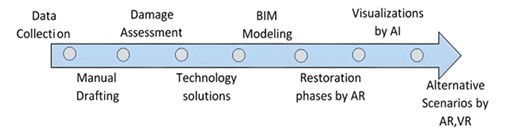
Figure 1. Methodology and Research Stages
As illustrated in Figure 1, the restoration process for the damaged government facility is methodical and comprises eight key stages. The process of data collection entails the compilation of exhaustive details pertaining to the damaged edifice, which is a government facility devoid of extant plans. The process of hand drafting entails the creation of manual blueprints, which are initially developed without the incorporation of updated measurements. These updated measurements are subsequently added subsequent to the occurrence of damage. Damage assessment employs a form that has been authorized by UNICEF for the purpose of categorizing building damage and determining the extent of structural deterioration. Technology solutions are implemented for the purpose of categorizing damage to walls, columns, beams, and slabs. These solutions research twelve distinct damage scenarios and provide technological fixes for repairing the damaged elements. Data modeling encompasses the creation of floor plans and the design of a three-dimensional model of the structure using Revit software. The restoration stages are clarified by integrating the Revit model with virtual reality technologies to illustrate the restoration process of structural elements such as load-bearing walls, enhancing communication between on-site teams.
The implementation of artificial intelligence (AI) tools is instrumental in enhancing the design post-restoration, with a focus on considering the unique characteristics of the site conditions. Finally, the verification of AI results is conducted by adjusting the AI-generated model based on ChatGPT outputs and integrating it into a VR and AR environment using Simlab Composer. This allows for realistic visualization of the post-restoration alternatives.
The ongoing Syrian conflict has resulted in the destruction of hundreds of thousands of buildings, affecting 40% of the country’s infrastructure, including residential and public buildings (United Nations, 2021). According to the World Bank’s 2017 report, approximately 27% of residential units in Syria were either heavily damaged or completely destroyed. Furthermore, 50% of educational facilities and 46% of health facilities were affected (THE TOLL OF WAR THE ECONOMIC AND SOCIAL CONSEQUENCES OF THE CONFLICT IN SYRIA, 2017). The pervasive destruction that has occurred is a direct result of the protracted military engagement, which has encompassed aerial assaults and artillery bombardments. Consequently, metropolitan areas such as Aleppo have been disproportionately impacted (Almohamad et al., 2018). The United Nations (UN) characterizes this conflict as the most devastating man-made crisis since World War II, with profound consequences for the physical health, mental well-being, and social structures of the Syrian people (Cheung et al., 2020). Government buildings and vital civilian infrastructure have suffered widespread attacks and significant damage (Akbarzada & Mackey, 2018). Among the affected structures is the agricultural bank in the city of Souran, Hama. This vital institution, which once served hundreds of thousands of farmers in one of the largest cities in the western suburbs of the Hama province, has been subject to significant deterioration. As depicted in Figure 2, the edifice underwent substantial impairment throughout the 14-year armed conflict. Consequently, the bank ceased its operations, compelling many individuals to travel to other locations to conduct their necessary transactions.
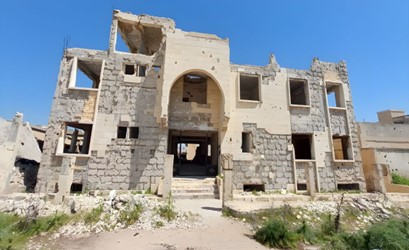
Figure 2. The Front Elevation of the Building.
As illustrated in Figure 2, the subject of this study is an agricultural bank located in the city of Souran in Hama.
The Agricultural Bank in Souran consists of three stories, a basement, and a roof totaling 345 square meters. This building served as the case study for this application of the steps. The building was used for operations beginning in the 1990s.
The Agricultural Department and the Souran City Council were visited for the purpose of gathering information regarding the building and the existing blueprints. The architectural plans for the building had only been partially completed at the time of the initial conception of the project. Consequently, the plans were initially created by hand using fresh measurements obtained after the damage. Subsequent to this, the edifice was subjected to evaluation, and, as was previously stated, technological solutions were proposed for 12 distinct scenarios. The damaged cases were then categorized based on the primary structural elements (slabs, beams, columns, load-bearing walls). Consequently, a comprehensive understanding of the types of damage present in the evaluated building can be obtained.
The allocation of damages by structural element is illustrated in the following classification (Figure 3).
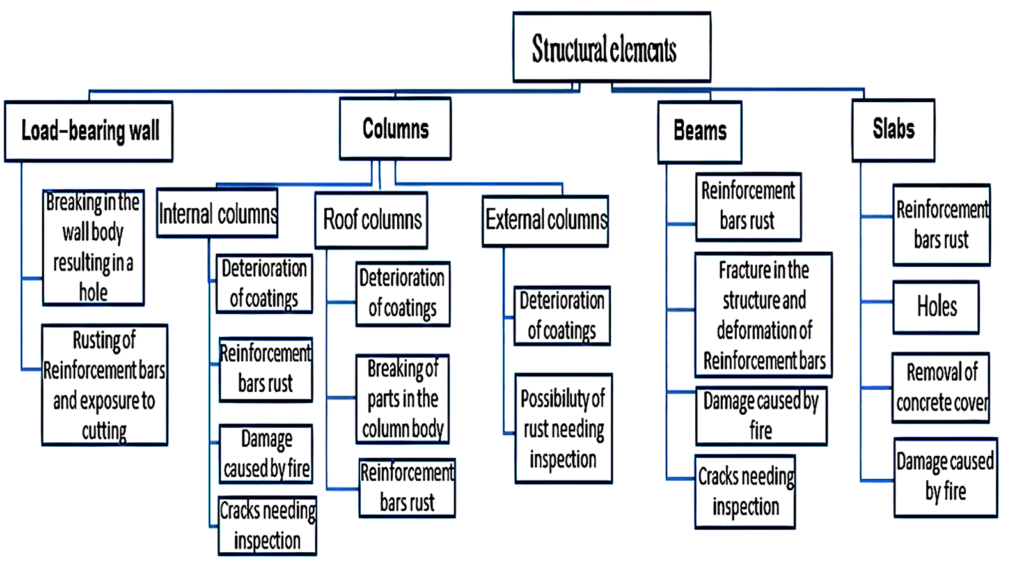
Figure 3. Distribution of Structural Damage by Element Type Based on the Quantitative Building Assessment.
The assessment of the building’s level of damage was conducted using the form provided in Table 1. As indicated by the data presented in Tables 2 and 3, the building has been classified as E. This classification indicates that while the structure cannot be utilized at this time, it may be restored at a reasonable cost and in a timely manner. The form employs a statistical and numerical approach to evaluate the structural elements that are damaged. This approach is predicated on the relative qualitative value of each piece with respect to the overall structure. The determination of the building’s fitness for use is achieved through the application of five classifications, as delineated in the accompanying table, with the final score serving as the primary metric. The determination of whether to restore or demolish a building is informed by its qualitative significance and the associated restoration costs. It is important to acknowledge that this approach obviates the necessity for inexperienced engineers to possess in-depth knowledge in the field of repair. Despite its simplicity, the device consistently yields satisfactory results.
In light of the intricate nature of the damage patterns, the involvement of a structural engineer specializing in rehabilitation was deemed essential to provide expert counsel on the optimal repair methodologies. The engineer’s evaluation confirmed that the building fell into Category E based on the severity of structural compromise.
| Table 1. Quantitative Structural Damage Assessment Form Used to Evaluate and Classify the Condition of the Agricultural Bank Building. | ||||||||||
|---|---|---|---|---|---|---|---|---|---|---|
| Component | Type Of Damage | Basement | Ground Floor | First Floor | Roof | Partial Damage Count | Total Count | Percentage | Type Percentage | Overall Damage Percentage |
| Column Damage | Partial/Count | 1 | 11 | 13 | 79 | 16% | 13 | 2.139 | ||
| Total/Count | 0.000 | |||||||||
| Beam Damage | Partial/Count | 1 | 4 | 6 | 4 | 15 | 108 | 14% | 34 | 4.722 |
| Total/Count | 0.000 | |||||||||
| Wall Damage | Partial/Count | 8 | 0.000 | |||||||
| Total/Count | 0.000 | |||||||||
| Partial/Count | 2 | 2 | 7 | 29% | 2 | 0.571 | ||||
| Total/Count | 0.000 | |||||||||
| Partial/Count | 1 | 1 | 2 | 15 | 13% | 2 | 0.267 | |||
| Total/Count | 0.000 | |||||||||
| Slab Damage | Opening < 1 Meter | 4 | 4 | 5% | 3.064 | |||||
| Opening > 1 Meter | 1 | 1 | 47 | 2% | 36 | 0.766 | ||||
| Total/Count | 0.000 | |||||||||
| Stair Damage | Partial/Count | 1 | 1 | 1 | 3 | 4 | 75% | 2 | 1.500 | |
| Total/Count | 0.000 | |||||||||
| Foundation Damage | Partial/Count | 31 | 2 | 0.000 | ||||||
| Total/Count | 0.000 | |||||||||
| External Fence Damage | Partial/Count | 1 | 0.000 | |||||||
| Total/Count | 1 | 100% | 1 | 1.000 | ||||||
| Overall Damage Percentage for the Bank | 100% | 14.034 | ||||||||
| Building Damage Percentage | 14% | E | ||||||||
| Conclusion | The buildings have become unusable but can be repaired quickly and at a reasonable cost. | |||||||||
| Total Number of Bank Rooms | 20 | |||||||||
| Built Area (m²) | 345 | |||||||||
To understand how the form works, the column damages will be explained in Table 2 (as an example):
| Table 2. Illustrative Calculation Example Demonstrating the Methodology Used to Compute the Damage Percentage for Structural Elements (Column Damage Case). | |
|---|---|
| Name | Column Damage |
| Type of damage | Partial |
| Ground Floor | 1 |
| First Floor | 1 |
| Roof | 11 |
| Partial Damage Count | 13 (11+1+1) |
| Total Count | 79 columns |
| Percentage | 13/79 = 16% |
| Type Percentage | 13 (Fixed value) |
| Overall Damage Percentage | 0.1646 × 13 = 2.139 |
| Table 3. Building Damage Classification Matrix | ||
|---|---|---|
| Percentage | Classification | Description |
| 100%-90% | A | Building completely destroyed |
| 90%-75% | B | Severely damaged – demolition required |
| 75%-50% | C | Damage repairable / strengthening possible |
| 50%-25% | D | Unfit for use – intensive repair required |
| 25%-10% | E | Unfit for use – quick and reasonable repair |
| 10%-0% | F | Minor repair – building usable |
The damages were meticulously categorized, and subsequently, a series of technological solutions were proposed for each damaged scenario. Due to the limitations imposed by the page, only three examples will be examined in this discussion. This discussion elucidates the methodology for evaluating and proposing technological solutions.
As illustrated in Figure 4, the war-damaged buildings exhibited substantial structural degradation.
Description: The investigation revealed that the ceiling had sustained a series of openings of varying dimensions, resulting from the direct impact on the first-floor slab. It is noteworthy that a number of the apertures exhibited dimensions exceeding one meter in width. As demonstrated in Figure 4: The separation of the concrete cover from the reinforcement resulted in the severing and bending of the reinforcing steel. Subsequent to this, the exposed steel underwent a process of corrosion and alterations to its cross-sectional characteristics due to its exposure to the environment.
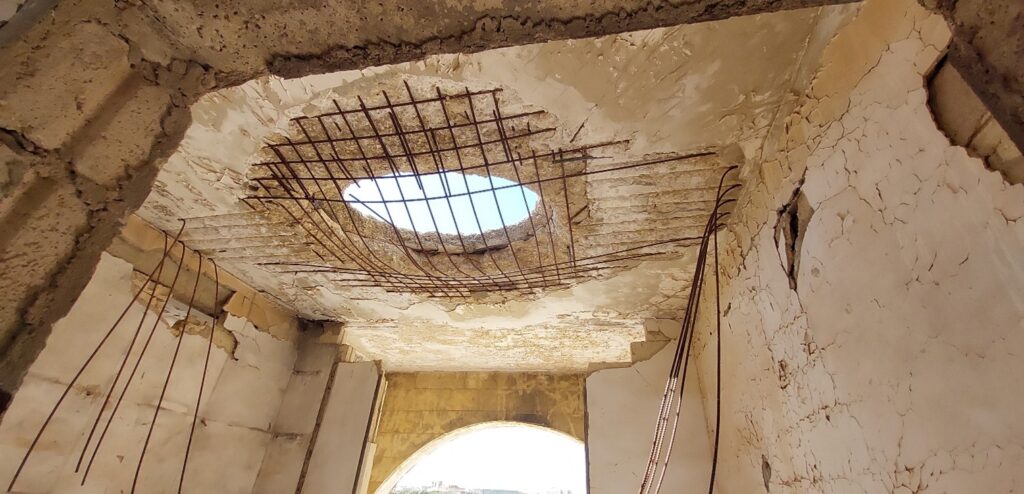
Figure 4. Structural Damage in the First-Floor Slab Showing Large Openings and Exposed Reinforcement
The following restoration methods have been proposed:
The first method is upper slab casting for reinforcement above the current slab. This technique is employed for the purpose of reinforcing the slabs of the final floor or for strengthening the building’s slabs prior to completion. According to engineering requirements, the implementation of such reinforcement measures results in a reduction of floor height, thereby influencing door heights and the measurements necessary for kitchen and bathroom installations.
The second method involves the implementation of slab reinforcement exclusively at the apertures.
The slab reinforcement process is initiated with the temporary shoring of the slabs, thereby relieving them of their weight. Subsequent to this procedure, the damaged steel is excised, and the extant reinforcement is meticulously cleaned. Subsequently, new reinforcement bars of an equivalent diameter are installed, ensuring a secure connection between the existing and new bars. In order to protect the steel and bond the concrete surfaces, the reinforcement bars are treated with an anti-rust epoxy, and a medium-viscosity epoxy coating is applied to seal the interface between the old and new concrete. Subsequent to this, formwork is installed by drilling holes into the ceiling, and grout is cast to complete the repair. Grout is selected over cement mortar due to its minimal shrinkage, which is critical for preventing the failure of the composite action between the new and old slab sections. Furthermore, the adhesive and friction properties of grout ensure the effectiveness of this composite action.
The following methodology is proposed for the remediation of the roof, as illustrated in Figure 5.
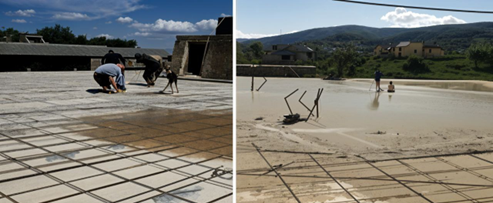
Figure 5. Upper Slab Strengthening Procedure Adopted for Reinforcing the Damaged Floor System
Description: A direct shell hit has caused a break in the load-bearing wall’s body within the building, showing significant structural deterioration (Figure. 6).
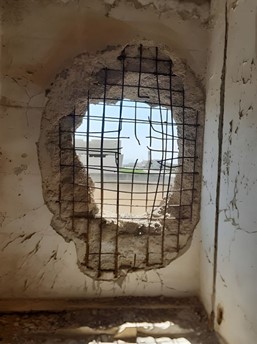
Figure 6. Severe Damage in the Load-Bearing Wall Caused by Direct Impact
The procedure for repairing a wall entails the initial step of providing temporary support to the surrounding region, thereby alleviating the load on the damaged wall. Subsequently, all concrete in the damaged section of the wall is removed. The damaged reinforcement is excised with a saw and substituted with new reinforcement that is welded to the original steel in a manner appropriate for the specific conditions. The formwork is constructed according to the revised wall dimensions, and the concrete is poured either in phases or by drilling holes in the ceiling and filling them with concrete mixture. Following a thorough examination of the affected area and the compilation of data that was either missing or altered due to the damage, blueprints are manually created to document the current state and guide the repair process. As demonstrated in Figure 7, the procedure for creating apertures in the ceiling for the purpose of concrete pouring is illustrated.
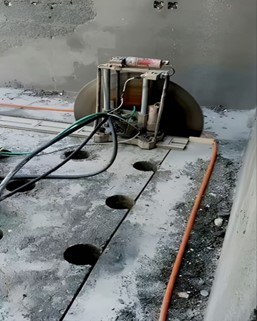
Figure 7. Creation of Slab Openings to Facilitate Concrete Casting During the Rehabilitation of the Damaged Load–Bearing Wall
In this stage, a three-dimensional model of the structure was created using Revit to draft the plans based on the data that had been previously gathered. The following documents contain plans, elevations, general site information, and render results of the structure under study: As illustrated in Figure 8, the BIM modelling process monitored the studied building.
Figure 8. BIM-Based Three-Dimensional Model of the Studied Building Developed Using Revit.
Building sites are widely recognized to be disorderly and noisy environments. Despite the fact that the BIM system has led to a significant reduction in the number of incompatible projects and unwelcome surprises during the building process, challenges may arise in accurately communicating instructions to the various work teams. Additionally, the project’s execution may be subject to uncertainties and potential errors. It is imperative to acknowledge that financial and temporal resources will be expended in the event of each error or reedit. The utilization of contemporary technology, such as augmented reality (AR) and virtual reality (VR), facilitates a more precise representation of the intended construction, thereby enhancing the accuracy of the visualization process. These technological advancements facilitate the visualization of materials and installations in a realistic manner, despite their frequently intricate and challenging nature to comprehend through conventional visual representations, such as drawings. This enhancement in comprehensibility contributes to the enhancement of the project’s overall understanding. Moreover, these technologies are indispensable to the restoration process, as they facilitate the observation of underlying structures and the comprehension of the layout of technological installations, including the discernment of reinforcing bars. In contradistinction to the transmission of instructions among stakeholders, this approach fosters enhanced communication between disparate teams and ensures the receipt of clear instructions by all parties. Consequently, the probability of erroneous decisions and imprecise verbal communication is reduced, thereby facilitating the effective allocation of resources.
In this particular instance, virtual reality techniques were employed on an opening wall to provide a clear illustration of the restoration processes and to communicate all pertinent instructions to the teams. The instructions were displayed on the wall to ensure that the teams comprehended them thoroughly. This action enhanced and reinforced communication.
The Syrian case is distinctive, marked by pervasive destruction. Contemporary reconstruction trends underscore the utilization of innovative and efficient methodologies. The implementation of such techniques could ensure the development of a trained workforce capable of handling a variety of restoration cases.
From an academic standpoint, it presents a pragmatic framework for instructing civil engineering students in the realm of restoration projects. The prevailing university laboratories are inadequate to facilitate this instructional objective.
The following steps were taken:
As illustrated in Figure 9, the utilization of virtual reality (VR) technology facilitates the execution of simulated walkthroughs of damaged structures.
Figure 9. Virtual Reality Simulation Illustrating the Main Stages of the Structural Rehabilitation Process.
The following section will delineate the steps of design development with AI tools.
Figure 10 and Table 4 illustrate the integration of AI algorithms in the assessment phase.
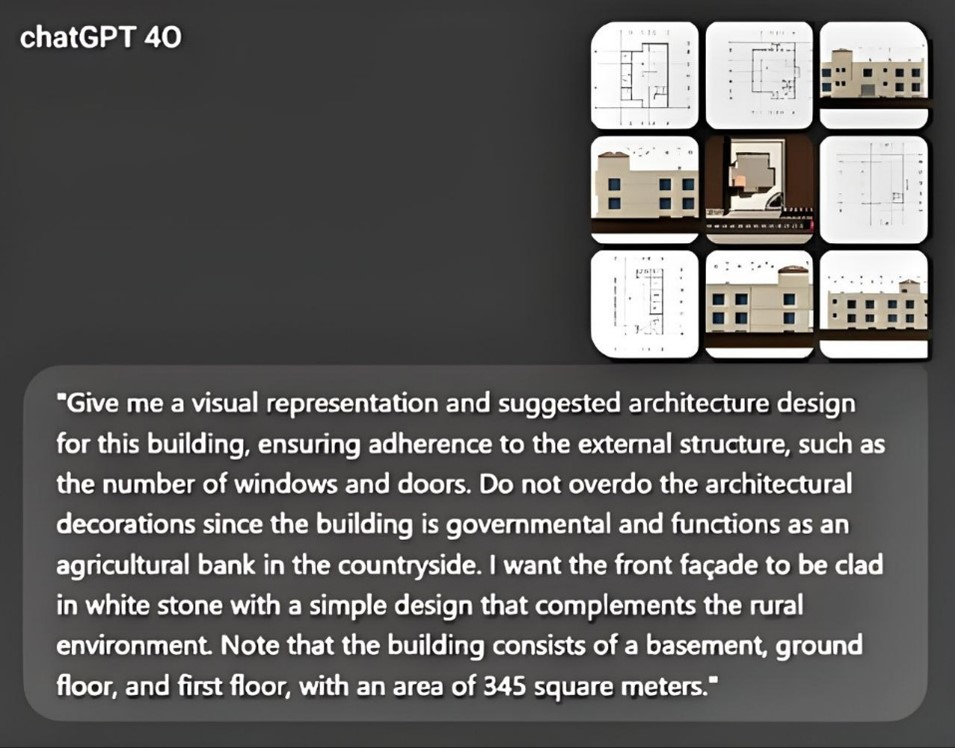
Figure 10. Application of AI (ChatGPT) for Generating Post-Restoration Design Alternatives.
| Table 4. AI Prompt Descriptions Used for Generating Post-Restoration Design Alternatives. | |
|---|---|
| Description | Generated Image |
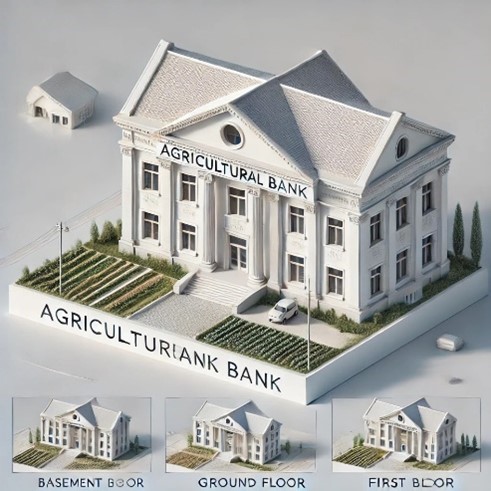
| I would like a visual representation of this building, ensuring that the exterior structure, including the number of windows and doors, is accurately depicted. Please avoid excessive architectural decorations as the building is a government facility functioning as a rural agricultural bank. The building consists of a basement, a ground floor, and a first floor, with a total area of 345 square meters. |
|
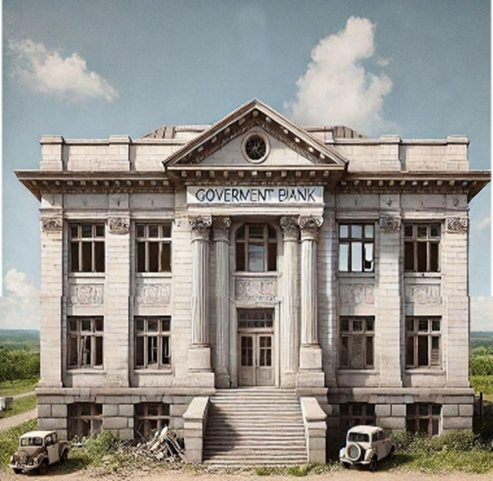
| Place two columns in front of the main entrance to draw the attention of clients to the door and give the building a strong architectural identity while maintaining simplicity. |
|
| Can you show me images from inside the building using realistic materials? |

|
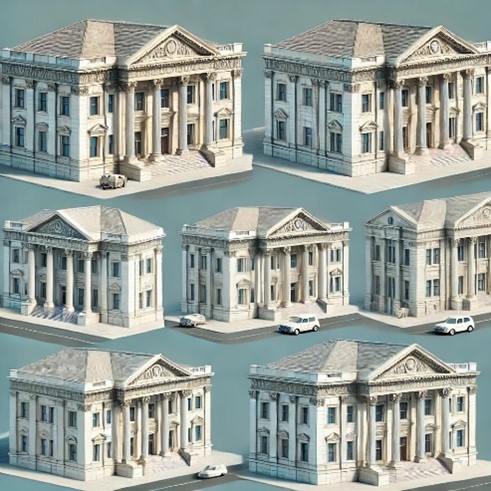
| I want to see this design from different angles. |
|
The integration of artificial intelligence (AI) facilitates the generation of a vast array of design alternatives, which are then tailored to harmonize with the existing local environment, thereby ensuring optimal functionality and user comfort. This approach is informed by the unique characteristics of the examined structure, ensuring a customized and practical outcome. To ensure the accuracy of the findings, ChatGPT 4.0, a paid artificial intelligence application, was utilized. This objective was achieved through the provision of a comprehensive account of the structure’s location, function, and environmental prerequisites. The specifications encompassed the desired appearance and cladding of the structure, in addition to recommendations for design improvements. These improvements were intended to enhance the building’s external form and improve its visual appeal. The recommendations were developed with the intention of preserving the building’s intended use. As illustrated in Figure 10, a range of design options for the building was developed by integrating floor plans, elevations, and site photographs. These design alternatives were intended to offer distinctive views from multiple perspectives. In addition, a series of perspectives were furnished, showcasing the interior design. The optimal design, which seamlessly integrates comfort elements (e.g., sunlight and temperature) with aesthetic appeal, was selected.
The most accurate depictions of the structure following its restoration were obtained by exploring the stage of producing design suggestions and encouraging creative thinking through the utilization of artificial intelligence (AI). The REVIT model of the building was modified to evaluate the viability of various restoration concepts, drawing inspiration from the provided renderings. To ascertain the efficacy of the alternatives, the most creative ideas were implemented and assessed using augmented and virtual reality technologies. It was observed that comprehending the advantages of each option and selecting the optimal one is a formidable task when utilizing conventional approaches.
Nevertheless, the employment of virtual reality (VR) and augmented reality (AR) technologies has rendered the identification and selection of the optimal design option for a structure following its restoration a straightforward process. The provision of a prospective perspective, in conjunction with the facilitation of the identification of the most advantageous course of action, is instrumental in enhancing the efficacy of engineering decision-making processes. These technologies, when utilized, contribute to a tangible improvement in the quality and outcomes of engineering-related decision-making. A comprehensive analysis has identified four key factors that must be considered when selecting the optimal design:
Two design alternatives were proposed for the Agricultural Bank, with the first alternative featuring the following advantages:
As illustrated in Figure 11, the initial alternative that displays these modifications is presented.
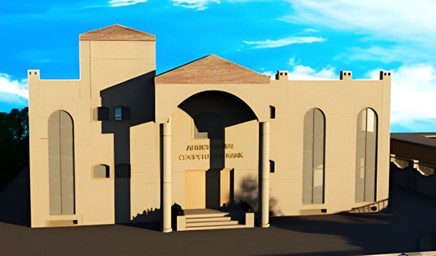
Figure 11. First Proposed Architectural Design Alternative for the Rehabilitated Building.
With regard to the second alternative: (Separate windows):
As illustrated in Figure 12, the second alternative that demonstrates these modifications is presented.
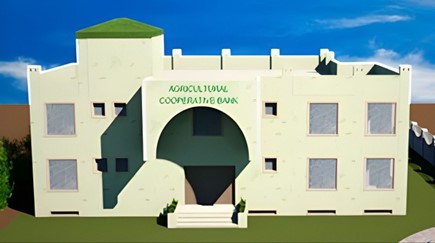
Figure 12. Second Proposed Architectural Design Alternative for the Rehabilitated Building.
The alternatives were centered on the design of windows due to the fact that, from an architectural perspective, windows are instrumental in defining and enhancing the architectural identity of a building and its integration with the surrounding environment, particularly in a rural context. The utilization of virtual reality (VR) and augmented reality (AR) facilitates the examination of the impact of windows on the building, thereby enhancing the decision-making process through immersive reality. This encompasses the testing of various lighting scenarios at different times of day and across different seasons, as well as the evaluation of how lighting affects all parts of the building, including those far from the windows, and the observation of the impact of lighting in a realistic manner.
In this section, illustrative images are presented that demonstrate the disparity in light distribution between the two alternatives. Figure 13 provides a visual demonstration of methods for modifying windows to regulate building lighting.
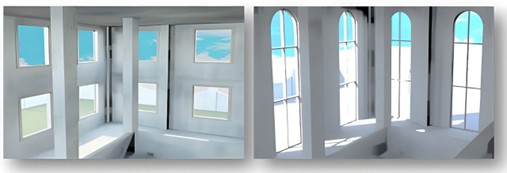
Figure 13. Comparison of Interior Daylight Distribution Between the Two Design Alternatives.
The discrepancy between the design alternatives is demonstrated through the utilization of augmented reality (AR) (Figure 14).
Figure 14. Augmented Reality Visualization of the Proposed Design Alternatives.
The potential benefits of virtual reality can be categorized as follows:
The initial step in the process entails the creation of written and voice notes. These notes are to be signed onto the virtual model directly, thereby facilitating their interactive transmission to the work teams.
Secondly, the impact of the surrounding environment on the building must be anticipated by means of visualizing the effect of sunlight at all times.
The third method involves the modification of material from any given element by means of a simple selection of the element in question.
Fourthly, the capacity to quantify any component within the virtual building model facilitates the meticulous execution of finishing works, such as the width of doors and the height of windows.
Fifthly, the structure should be observed from multiple vantage points while in flight mode, walk mode, and mechanical mode. This will ensure a comprehensive perspective of the building from all angles. As illustrated in Figure 15, the aforementioned advantages can be observed.
Figure 15. Demonstration of Key Advantages of VR Technology in the Rehabilitation Process.
It is imperative to note that the workflow diagram in Figure 16 delineates the sequential steps in the rehabilitation process.

Figure 16. Workflow Diagram Illustrating the Sequential Steps of the Rehabilitation Framework.
This study has introduced a comprehensive and integrated framework for the rehabilitation of war-damaged public buildings, leveraging the synergistic potential of Building Information Modeling (BIM), Artificial Intelligence (AI), Virtual Reality (VR), and Augmented Reality (AR). The proposed methodology, which has been successfully applied to the case of a heavily damaged agricultural bank in Hama, Syria, has demonstrated its efficacy in streamlining the complex process of post-conflict reconstruction. The findings emphasize the considerable benefits of this technology-driven approach in comparison to conventional, labor-intensive methods, which frequently encounter challenges such as data loss and human error.
A significant contribution of this research is the development of a robust, two-phase framework that addresses the entire rehabilitation lifecycle, from initial damage assessment to final design verification. The initial phase, which is predicated on a statistical evaluation of structural damage, furnishes a systematic and objective means of classifying the extent of deterioration and identifying suitable technological solutions. This data-driven approach has been demonstrated to enhance the accuracy of the assessment and accelerate the decision-making process. Consequently, it enables a more rapid and efficient allocation of resources.
The second phase of the framework, which employs artificial intelligence (AI)-based generative design, signifies a substantial advancement in the domain of post-conflict reconstruction. The present study utilizes artificial intelligence (AI) to demonstrate the capacity to generate a wide array of post-restoration design alternatives. The presented alternatives boast aesthetic appeal while demonstrating contextual sensitivity to both the surrounding environment and the architectural identity of the building. Subsequent verification of these designs through immersive VR and AR simulations provides an invaluable tool for stakeholder communication and collaborative decision-making, ensuring that the selected design is both functionally sound and widely accepted.
The proposed framework’s practical applications in the field are noteworthy. Furthermore, the framework demonstrates considerable promise as an educational tool. The integration of VR and AR technologies engenders a safe and cost-effective environment for training engineers and students in the complex and often hazardous work of building rehabilitation. The proposed framework aims to address the knowledge deficit resulting from the migration of skilled professionals from conflict-affected regions by offering a realistic and interactive learning experience.
In future research, the current framework could be expanded upon in several promising directions. The incorporation of sophisticated artificial intelligence (AI) algorithms, including deep learning and reinforcement learning, has the potential to further augment the capabilities of the generative design module. Furthermore, the implementation of the framework in a more extensive array of building types and damage scenarios would serve to substantiate its versatility and scalability. The development of more sophisticated and interactive training modules, incorporating real-time feedback and performance metrics, would further enhance the educational value of the framework.
In summary, the present study has demonstrated the transformative potential of an integrated, technology-driven approach to the rehabilitation of war-damaged buildings. The integration of Building Information Modeling (BIM), artificial intelligence (AI), virtual reality (VR), and augmented reality (AR) holds the potential to not only expedite the process of post-conflict reconstruction but also to establish a more robust, sustainable, and prosperous future for communities that have been adversely affected by armed conflict. The open-source availability of the code and supplementary materials is intended to encourage further research and collaboration in this critical domain. The overarching objective is to empower local communities to rebuild their lives and cities.
B.AH: Conceptualization, Methodology, Supervision.
B.AS: Formal analysis, Investigation, Writing of the original draft.
A.B: Formal analysis, Investigation, Writing of the original draft.
A.M: Software, Resources, Writing of the original draft.
A.E: Writing and review & editing.
The authors declare that they have no known competing financial interests or personal relationships that could have appeared to influence the work reported in this paper.
This research did not receive any specific grant from funding agencies in the public, commercial, or not-for-profit sectors.
The authors acknowledge the use of artificial intelligence (AI) tools for the sole purpose of translating and enhancing the linguistics style and readability of the manuscript. These tools were not used for generating any data, figures, tables, or for any other scientific analysis presented in this paper. The author takes full responsibility for the content and the scientific integrity of this work.
The data that support the findings of this study are available from the corresponding author upon reasonable request.
The authors declare that there is no acknowledgement to be made.
This study did not involve human participants or animals; hence, no ethical approval was required.
Cite: Alhassan, B., Alsaadi, B., Barazi, A., Merza, A., & Esmail, A. (2025). An Integrated Framework for the Rehabilitation of War-Damaged Public Buildings using BIM, AI, VR, and AR Technologies. Steps For Civil, Constructions and Environmental Engineering, 3(3), 34-50. https://doi.org/10.61706/sccee12011213
 Copyright: © 2025 by the authors. Licensee Scientific Steps International Publishing Services, Dubai, UAE.
This article is an open access article distributed under the terms and conditions of the Creative Commons Attribution (CC BY) license (https://creativecommons.org/licenses/by/4.0/).







An independent academic publisher with an editorial team including many of the top researchers in the world. SSG publishes research, review, and case report articles in double-blind, peer-reviewed, open access scientific and academic journals.
Copyright © 2025 Scientific Steps International Publishing Services LLC (Dubai – United Arab Emirates)