Steps For Civil, Constructions and Environmental Engineering, 2(2), 10–25. https://doi.org/10.61706/sccee120119.

Steps For Civil, Constructions and Environmental Engineering, 2(2), 10–25. https://doi.org/10.61706/sccee120119.
Steps For Civil, Constructions and Environmental Engineering, 2(1), 22–34. https://doi.org/10.61706/sccee1201123.
Steps For Civil, Constructions and Environmental Engineering, 2(1), 12–21. https://doi.org/10.61706/sccee120116.
Steps in Ecological Sciences, 1(1), 1-7. https://doi.org/10.61706/aecs15001
Steps For Civil, Constructions and Environmental Engineering, 2(1), 1–11. https://doi.org/10.61706/sccee12011207.
Steps For Civil, Constructions and Environmental Engineering, 1(2), 40–50. https://doi.org/10.61706/sccee12011165.


Scientific Steps International Publishing Services (SSIPS) • Dubai, United Arab Emirates
SSIPS maintains full transparency regarding the costs associated with open-access publishing. APCs are collected only after a manuscript successfully completes peer review and receives final acceptance.
| Journal | Article Processing Charge (APC) |
|---|---|
| Steps for Civil, Constructions and Environmental Engineering (SCCEE) | 320 USD |
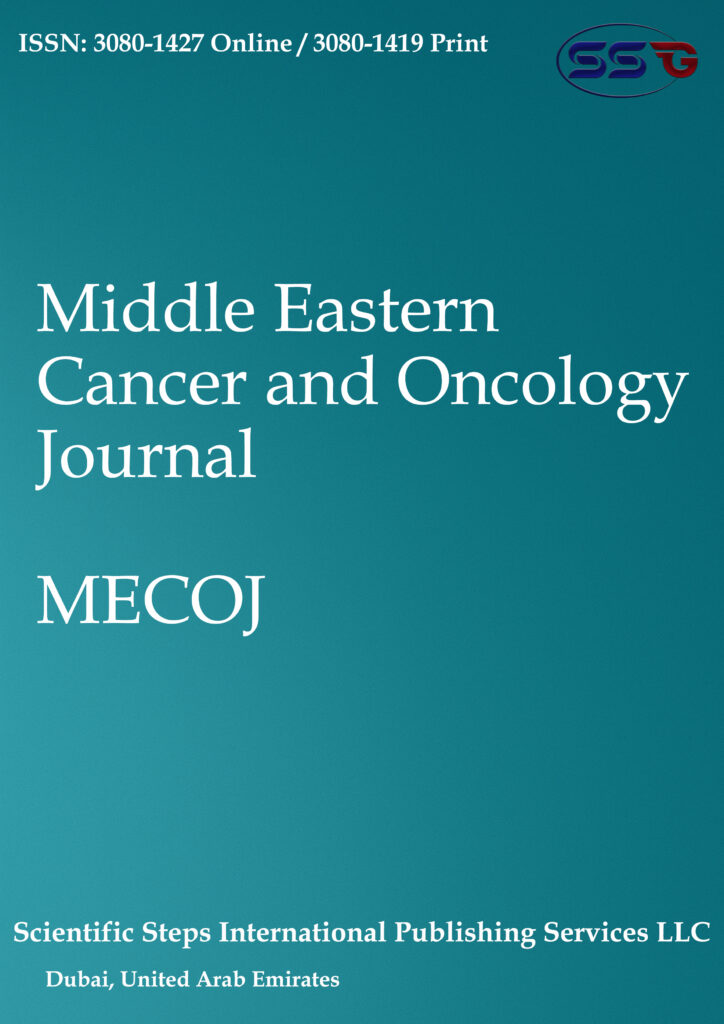
| Middle Eastern Cancer and Oncology Journal (MECOJ) | 320 USD |
SSIPS applies APC reductions based on the World Bank Country Income Classification (FY26). Discounts apply to accepted manuscripts and are determined by institutional affiliation at submission.
| Country Income Group (World Bank FY26) | Discount | APC After Discount |
|---|---|---|
| High-income countries | Up to 20% | 256 USD |
| Upper-middle-income countries | Up to 40% | 192 USD |
| Lower-middle-income countries | Up to 60% | 128 USD |
| Low-income countries | Up to 80% (waivers possible) | 0–64 USD |
The following classification is based on the official World Bank Country and Lending Groups. For full reference, please Click here .
Below is the complete list of countries used to determine APC discounts.
Afghanistan
Burkina Faso
Burundi
Central African Republic
Chad
Congo, Dem. Rep.
Eritrea
Gambia
Guinea-Bissau
Korea, Dem. People’s Rep.
Liberia
Madagascar
Malawi
Mali
Mozambique
Niger
Rwanda
Sierra Leone
Somalia
South Sudan
Sudan
Syria
Togo
Uganda
Yemen, Rep.
Angola
Bangladesh
Benin
Bhutan
Bolivia
Cameroon
Cambodia
Comoros
Congo, Rep.
Côte d'Ivoire
Djibouti
Egypt, Arab Rep.
Eswatini
Ghana
Guinea
Haiti
Honduras
India
Jordan
Kenya
Kiribati
Kyrgyz Republic
Lao PDR
Lebanon
Lesotho
Mauritania
Micronesia
Mongolia
Morocco
Myanmar
Nepal
Nicaragua
Nigeria
Pakistan
Papua New Guinea
Philippines
Sao Tome and Principe
Senegal
Solomon Islands
Sri Lanka
Tajikistan
Tanzania
Timor-Leste
Tunisia
Uzbekistan
Vanuatu
Viet Nam
West Bank and Gaza
Zambia
Zimbabwe
Albania
Algeria
Argentina
Armenia
Azerbaijan
Belarus
Belize
Bosnia and Herzegovina
Botswana
Brazil
Cabo Verde
China
Colombia
Costa Rica
Cuba
Dominica
Dominican Republic
Ecuador
El Salvador
Equatorial Guinea
Fiji
Gabon
Georgia
Grenada
Guatemala
Indonesia
Iran, Islamic Rep.
Iraq
Jamaica
Kazakhstan
Kosovo
Libya
Malaysia
Maldives
Marshall Islands
Mauritius
Mexico
Moldova
Mongolia
Montenegro
Namibia
North Macedonia
Paraguay
Peru
Romania
Samoa
Serbia
South Africa
St. Lucia
St. Vincent and the Grenadines
Suriname
Thailand
Tonga
Trinidad and Tobago
Turkey
Turkmenistan
Tuvalu
Ukraine
Uruguay
United Arab Emirates
United States
United Kingdom
Germany
France
Italy
Spain
Portugal
Netherlands
Belgium
Sweden
Switzerland
Norway
Denmark
Finland
Ireland
Austria
Luxembourg
Poland
Australia
New Zealand
Japan
Korea, Rep.
Singapore
Saudi Arabia
Kuwait
Qatar
Bahrain
Oman
and all other high-income territories listed in FY26
For APC questions or waiver requests, contact SSIPS:
Email: replace-with-your-email@ssips.example
Address: Scientific Steps International Publishing Services, Dubai, UAE



An independent academic publisher with an editorial team including many of the top researchers in the world. SSG publishes research, review, and case report articles in double-blind, peer-reviewed, open access scientific and academic journals.
Copyright © 2025 Scientific Steps International Publishing Services LLC (Dubai – United Arab Emirates)